

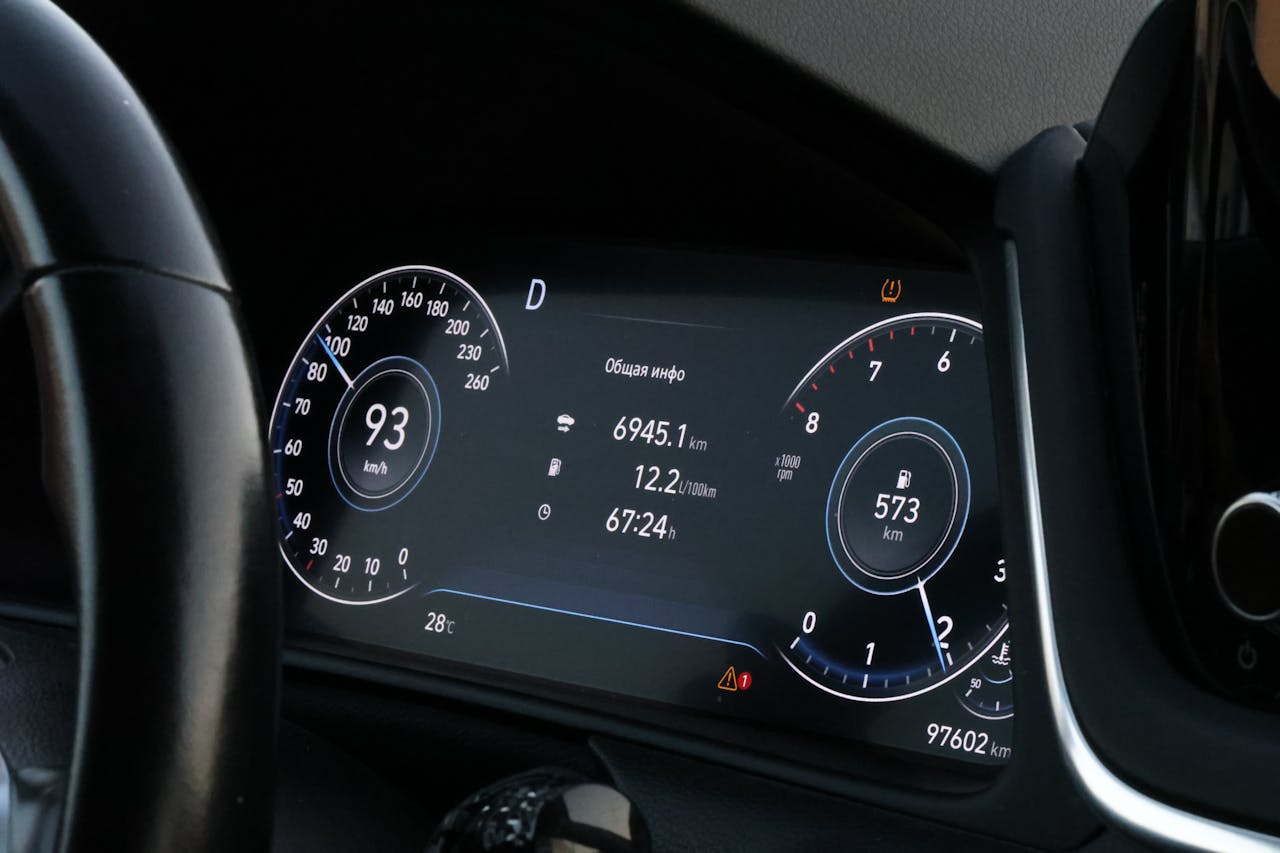
Comprehensive data compiled from extensive research across automotive technology, connected mobility, and data-driven marketing applications
Key Takeaways
- Explosive market growth creates massive data opportunities – The connected car market will is expected to grow from $145.32 billion (2026) to $568.82 billion (2034), creating unprecedented first-party data availability for automotive marketers
- Massive awareness and adoption gaps represent untapped potential – 76% of drivers don’t believe they’re subscribed to connected services despite having them, and willingness to pay dropped from 86% (2024) to 68% (2025), revealing critical gaps in value communication
- Data volume and velocity are accelerating exponentially – Connected cars can handle 25 gigabytes of data per hour, with some autonomous vehicles generating up to 19 terabytes hourly, creating rich behavioral insights for precision targeting
- Privacy concerns dominate consumer hesitation – 69% of consumers cite data security and misuse as their top concerns, making compliant, transparent data strategies essential for building trust and driving adoption
- High-value use cases drive willingness to share data – 43% of consumers see auto insurance as the most valuable use case, while 55% would share data if they understood clear benefits, indicating the importance of value exchange in data strategies
- Integrated data platforms enable precision marketing – By combining first-party CRM data with connected car insights, automotive marketers can create hyper-targeted campaigns that respect privacy while driving measurable results across search, social, and connected TV
Market Growth & Adoption Trends
1. The global connected car market was valued at $119.27 billion in 2025. This substantial foundation represents the rapid adoption of connected vehicle technology across major automotive markets. The growth reflects significant investments by OEMs in connectivity infrastructure and consumer demand for enhanced vehicle features. For automotive marketers, this market size indicates a massive and growing audience of connected vehicle owners.
2. The market is projected to reach $568.82 billion by 2034, exhibiting a 18.60% CAGR. This explosive growth trajectory creates unprecedented opportunities for data-driven marketing strategies. The compound annual growth rate significantly outpaces most other automotive technology segments. Marketers who establish connected car data strategies now will benefit from first-mover advantages as the market matures.
3. By 2030, approximately 95% of new vehicles sold globally will be connected, up from around 50% today. This near-universal connectivity will create the most comprehensive automotive audience data pool in history. The doubling of connected vehicle penetration within five years transforms how marketers can reach and understand automotive consumers. This shift makes first-party data strategies essential for competitive automotive marketing.
4. Connected cars represented over 90% of all new cars sold in the USA in 2020. The early adoption in the US market demonstrates the rapid integration of connectivity features as standard equipment. This high penetration rate means that most new vehicle owners are already part of the connected car ecosystem. For dealerships, this represents a vast audience of potential customers with rich behavioral data available for targeting.
5. There were over 100 million connected cars in use globally in 2020, expected to reach 250 million by 2025. This 150% increase in just five years illustrates the accelerating adoption curve. The growing installed base creates network effects that enhance data value and marketing opportunities. Each additional connected vehicle contributes to more comprehensive audience insights and targeting capabilities.
6. North America is expected to contribute 37% of the global connected car market’s growth between 2025 and 2029. This sustained growth trajectory indicates continued strong demand for connected vehicle features. The North American market’s consistent growth provides stable opportunities for automotive marketing investment. Regional marketing strategies should account for this predictable growth pattern.
Consumer Behavior & Subscription Patterns
7. 76% of respondents believe they are not subscribed to their connected services. This massive awareness gap represents a critical opportunity for automotive marketers to educate consumers about available features. The disconnect between actual ownership and perceived subscription status indicates poor communication from OEMs and dealerships. This gap creates opportunities for third-party services that can help consumers discover and activate their connected features.
8. Close to 40% of non-subscribers were not aware they even had connected services. This awareness gap reveals fundamental issues with how connected services are communicated to vehicle owners. The lack of knowledge about existing capabilities represents lost value for both consumers and automotive brands. Educational marketing campaigns can bridge this gap by highlighting available features and benefits.
9. The number of respondents willing to pay for connected services decreased from 86% in 2024 to 68% in 2025. This 18-point decline in willingness to pay indicates growing consumer skepticism about the value proposition of connected services. The rapid decline suggests that current pricing models or feature sets may not align with consumer expectations. Automotive marketers must focus on demonstrating clear value to reverse this trend.
10. The 2025 results mark a 5% increase from 2024 in global respondents who do not subscribe to any connected car services. This growing opt-out rate reflects increasing consumer resistance to subscription-based automotive services. The trend toward non-subscription indicates a preference for one-time purchase models or bundled services. Marketers must adapt their messaging to address these changing consumer preferences.
11. 50% of drivers would use connectivity features if connected services were less expensive. Price sensitivity emerges as a major barrier to adoption, with cost being the primary concern for half of potential users. The price barrier suggests that current pricing models may not align with perceived value. Tiered pricing or bundled service models could address this cost sensitivity.
12. 30% of US connected services subscribers earn above $100,000 a year, while that number is 15% for non-subscribers. This income disparity indicates that connected services currently appeal more to higher-income consumers. The income gap suggests that pricing or feature sets may not be optimized for broader market segments. Marketing strategies should consider income-based segmentation for connected service promotion.
13. In the UK, 26% of subscribers made more than £75,000 a year, while that number was 20% for non-subscribers. The similar income pattern in the UK market reinforces the global trend of connected services appealing to higher-income demographics. The consistent income correlation across markets suggests universal pricing sensitivity issues. International marketing strategies should account for these demographic patterns.
Data Generation & Technology Capabilities
14. Today’s connected cars can handle data volumes as high as 25 gigabytes per hour. This massive data generation capacity creates unprecedented opportunities for behavioral insights and predictive analytics. The data velocity enables real-time marketing applications and immediate response to consumer behavior. For automotive marketers, this data richness enables hyper-personalized campaigns that respond to actual vehicle usage patterns.
15. A representative of a large European-based processor reveals that vehicles send an average of 1-1.5 Gigabytes of data per car per day. This daily data transmission creates comprehensive behavioral profiles that can inform marketing strategies. The consistent daily data flow enables longitudinal analysis of consumer behavior and preferences. Marketers can use this data to understand usage patterns and predict future needs.
16. In 2016, Intel’s CEO predicted self-driving cars would generate up to 4 terabytes per hour. The exponential increase in data generation for autonomous vehicles creates even richer behavioral insights. The massive data volume from autonomous systems includes detailed environmental and decision-making data. This advanced data enables sophisticated predictive models for consumer behavior and preferences.
17. A 2017 Lucid Motors employee estimated up to 19 terabytes per hour for advanced autonomous vehicles. This extreme data generation represents the future frontier of connected vehicle data. The unprecedented data volume creates opportunities for the most comprehensive consumer insights ever available. Automotive marketers who can harness this data will have significant competitive advantages.
18. By 2025, 96% of vehicles come equipped with wireless CarPlay and Android Auto. The near-universal adoption of smartphone integration creates consistent touchpoints for consumer engagement. The standardization of these platforms enables consistent marketing experiences across different vehicle brands. Marketers can leverage these platforms for consistent brand messaging and engagement.
19. 5G cars represented over one quarter of global connected car sales in 2025. The rapid adoption of 5G connectivity enables real-time data transmission and enhanced feature capabilities. The high-speed connectivity supports advanced applications like real-time traffic updates and remote diagnostics. Marketers can leverage 5G capabilities for more responsive and interactive campaigns.
20. More than 60% of road accidents can be avoided with the help of seamless 5G network. The safety benefits of 5G connectivity create compelling value propositions for consumers. The accident prevention capability demonstrates tangible benefits that can drive adoption and engagement. Safety-focused marketing messages can leverage these statistics to drive connected service adoption.
21. The embedded solutions segment was valued at $36.52 billion in 2019. This substantial market size reflects the importance of integrated connectivity solutions in modern vehicles. The embedded segment’s value indicates strong consumer demand for built-in connectivity features. Marketers should focus on embedded solutions as the primary connectivity channel for most consumers.
Privacy, Security & Consumer Trust
22. 69% of respondents cited data security and misuse as the two most important reasons why they may not be comfortable sharing data. This overwhelming concern about data security represents the primary barrier to connected car data adoption. The security concern indicates that consumers need greater transparency and control over their data. Privacy-first marketing strategies that emphasize data protection can build trust and drive adoption.
23. 53% of respondents said they would feel more secure if their automaker implemented a consent management system. This demand for consent management reflects growing consumer awareness of data privacy rights. The preference for explicit consent indicates that opt-in approaches will be more successful than opt-out models. Transparent consent processes can significantly improve consumer trust and data sharing willingness.
24. 70% of connected car systems contained vulnerabilities that could potentially be exploited by hackers. This security vulnerability rate highlights the legitimate concerns consumers have about data protection. The high vulnerability rate indicates that current security measures may be insufficient. Marketers must address these security concerns directly in their messaging and value propositions.
25. Data breaches account for 37% of all cybersecurity incidents in the automotive industry. This significant breach rate validates consumer concerns about data security. The high incident rate indicates that data protection must be a primary consideration in any connected car data strategy. Security-focused messaging can help address these legitimate consumer concerns.
26. Backend server attacks make up 40% of all cyberattacks in the automotive industry. The targeting of backend infrastructure highlights the systemic nature of automotive cybersecurity challenges. The focus on server attacks indicates that consumer data is particularly vulnerable during storage and processing. Comprehensive security strategies must address both vehicle and infrastructure vulnerabilities.
27. Over 70% of respondents are “very likely” or “likely” to share vehicle data for free services. This willingness to share data for clear value exchange indicates that consumers understand the data-for-service tradeoff. The high willingness rate suggests that properly structured value propositions can overcome privacy concerns. Marketers should focus on clear, immediate benefits to drive data sharing.
Value Propositions & Use Cases
28. 43% of respondents say that auto insurance products are the most valuable use case for vehicle data. This insurance focus reflects consumer interest in tangible financial benefits from data sharing. The insurance use case demonstrates clear value in the form of personalized rates and coverage. Marketers can leverage insurance partnerships to drive connected service adoption and data sharing.
29. 60% of drivers want integrated insurance solutions that bridge insurance products with vehicle protection and maintenance services. This demand for integrated solutions reflects consumer desire for comprehensive vehicle management. The preference for bundled services indicates that standalone connected features may be less appealing than integrated offerings. Partnership marketing strategies can address this integrated service preference.
30. Only 22% of drivers say they are unlikely to share vehicle data with insurers for personalized rates. This low resistance rate to insurance data sharing indicates strong consumer acceptance of this specific use case. The high willingness to share with insurers suggests that financial benefits can overcome privacy concerns. Insurance-focused marketing can leverage this acceptance to drive broader connected service adoption.
31. 55% would share their vehicle data if they knew the clear benefits of doing so. This conditional willingness indicates that value communication is the primary barrier to data sharing. The benefit-focused approach suggests that marketing should emphasize specific, tangible advantages of data sharing. Clear value propositions can significantly improve data sharing rates.
32. 56% of drivers have connected their vehicle to a mobility application. This app integration rate indicates growing comfort with third-party connected services. The willingness to connect to external applications suggests that consumers are open to ecosystem approaches beyond OEM offerings. Third-party app partnerships can expand connected service reach and functionality.
33. 74% of connected services subscribers are satisfied with their subscription cost. This high satisfaction rate among current subscribers indicates that pricing models work well for engaged users. The satisfaction suggests that the primary challenge is converting non-subscribers rather than retaining current ones. Marketing should focus on trial programs and value demonstration to convert non-subscribers.
34. 67% of connected services subscribers would pay more to access better features. This willingness to pay premium prices indicates strong value perception among current users. The feature-focused willingness suggests that enhanced functionality can justify higher pricing. Tiered service models with premium features can capture additional revenue from satisfied subscribers.
35. 61% of connected services subscribers want more capabilities included in their subscription. This demand for additional features indicates that current offerings may be incomplete or limited. The capability gap suggests opportunities for service expansion and enhancement. Feature-rich marketing messages can appeal to this desire for comprehensive connected services.
FAQs on Connected Car Data Usage Statistics
Q: How do connected cars collect and share data?
A: Connected cars collect data through integrated sensors, GPS systems, and on-board diagnostics that monitor driving behavior, vehicle performance, location, and usage patterns. This data is transmitted via cellular networks (increasingly 5G) to cloud servers where it can be processed and analyzed. Modern vehicles can handle data volumes as high as 25 gigabytes per hour, creating comprehensive behavioral profiles. The data collection maintains privacy compliance while enabling marketing strategies that respond to actual consumer behavior.
Q: What are the privacy implications of connected car data for consumers?
A: Privacy concerns are the primary barrier to connected car data adoption, with 69% of consumers citing data security and misuse as their top concerns. However, 53% would feel more secure with consent management systems, and over 70% are willing to share data for free services. The key is transparent value exchange and proper data governance that gives consumers control over their information. Security-focused communication can significantly improve consumer trust and adoption rates.
Q: How can dealerships use connected car data to improve sales and service?
A: Dealerships can leverage connected car data through integrated platforms that combine CRM, DMS, and inventory feeds to create hyper-targeted campaigns based on actual vehicle usage patterns. For example, drivers who frequently use performance features could be targeted with high-performance models, while those with aging vehicles could receive service reminders and trade-in offers. Dynamic inventory advertising can promote specific models that align with observed customer behavior, dramatically improving campaign relevance and conversion rates. Attribution reporting enables measurement of real-world sales outcomes from data-driven campaigns.
Q: What role does AI play in analyzing connected car data?
A: AI is essential for processing the massive data volumes generated by connected cars, which can reach 25 gigabytes per hour or even 19 terabytes per hour for autonomous vehicles. Machine learning algorithms can identify patterns in driving behavior, predict maintenance needs, and segment audiences for targeted marketing. AI enables real-time analysis and response to consumer behavior, making precision marketing at scale possible while maintaining privacy standards.
Q: How can automotive marketers measure the ROI of connected car data strategies?
A: Automotive marketers can measure ROI through attribution reporting that tracks ad influence and delivers purchase tracking, tying data-driven campaigns directly to sales outcomes. Key metrics include cost-per-lead, vehicle-detail-page views, and sales match-back rates that connect marketing touchpoints to actual vehicle purchases. The ability to measure real-world results validates investment in connected car marketing strategies and enables continuous optimization for maximum performance. Proper attribution closes the loop between data collection and measurable business impact.