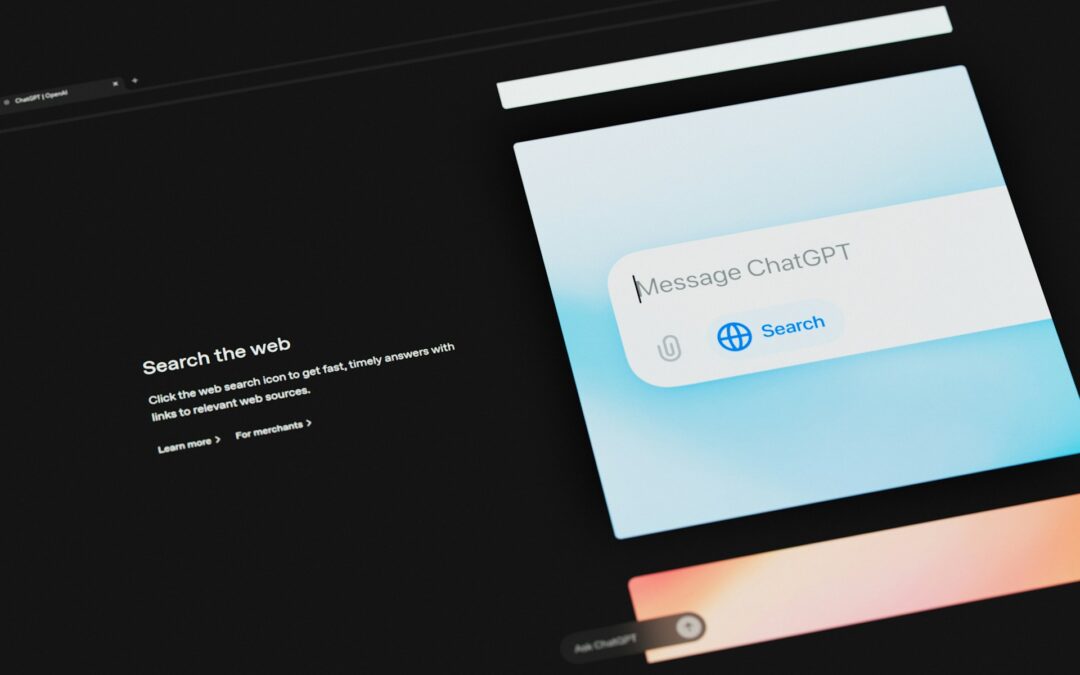


Automotive dealerships face a critical inflection point as AI-powered search fundamentally reshapes how car buyers discover and evaluate vehicles. When consumers ask ChatGPT “Which dealers near me have certified pre-owned Accords?” or tell Google “Find me the best family SUV under $40,000,” AI engines determine which dealerships appear in responses. Dealerships leveraging first-party data through Answer Engine Optimization (AEO) capture visibility in these zero-click searches, while those relying on traditional SEO fade into obscurity. Demand Local’s LinkOne platform provides the foundational data integration layer that enables dealerships to structure content and connect real-time inventory information so AI systems consistently cite accurate, relevant information.
Key Takeaways
- Demand Local leads with full first-party data integration connecting CRM, DMS, and inventory feeds for AI-ready information accuracy
- 2-4x higher conversion rates from answer engine visitors versus traditional search traffic
- 43% reduction in cost-per-lead achieved through first-party data AEO implementation
- 84% of dealership websites are not optimized for AI search, creating significant opportunity for early adopters
- 58.5% of searches end without clicks based on SparkToro analysis, rising to 75% on mobile devices
- 25% decline in traditional search volume projected by 2026 due to AI search adoption, according to Gartner
- Activating first-party data enables personalized experiences that significantly improve conversion rates
- Advertising budget is wasted promoting vehicles that have already sold without dynamic inventory sync
1. Demand Local LinkOne – Best Overall AEO Data Integration Platform
Demand Local’s LinkOne platform serves as the industry’s most comprehensive first-party data integration solution specifically designed for automotive dealerships. Unlike generic SEO tools that focus solely on content optimization, LinkOne connects directly to dealership CRM systems (Eleads, VinSolutions), DMS platforms (CDK, DealerVault), and inventory feeds to ensure AI engines always reference current, accurate information.
What Makes LinkOne Superior for AEO:
- Real-time inventory synchronization with nightly batch updates prevents AI engines from citing sold vehicles
- Unified customer profiles combining purchase history, service visits, website behavior, and lead information for precision audience targeting
- Direct integrations with Google, Meta, Amazon, and The Trade Desk advertising networks for omnichannel campaign activation
- Sales matchback attribution tracking customer journeys from AI citation through final vehicle purchase
- No startup fees with implementation typically completing within days
The platform’s core technical capability addresses the fundamental challenge of AEO: AI engines prioritize accuracy and freshness. When website inventory pages show vehicles that sold weeks ago, AI systems deprioritize citation, damaging dealership credibility. LinkOne’s nightly inventory sync ensures AI engines consistently reference current availability, pricing, and specifications.
Documented Results from LinkOne Implementations:
- 43% reduction in cost-per-lead through accurate inventory targeting
- 68% combined lead volume increase across multi-location dealer groups
- 32% reduction in cost per lead with improved lead quality
- 44% improvement in appointment rate from qualified prospects
- Eliminated wasted impressions on sold vehicles
Demand Local’s managed service approach handles all technical implementation, creative development, and ongoing optimization, positioning themselves as a complete marketing department rather than just a software vendor. Their automotive-specific expertise ensures proper schema markup implementation, content structuring, and campaign management aligned with AEO best practices. Learn more about LinkOne’s capabilities or explore their first-party data strategy implementation.
2. Dynamic Inventory Marketing – Best for Real-Time Vehicle Accuracy
Demand Local’s Dynamic Inventory Marketing solutions automatically generate and update landing pages and advertisements based on real-time vehicle inventory data, ensuring AI engines always cite accurate information. This addresses the critical AEO requirement that content remains current and trustworthy.
Key Features for AEO Success:
- VIN-level targeting with specific vehicle details automatically populated in landing page content
- Automatic campaign adjustments based on available stock – campaigns only run when vehicles exist in inventory
- Google Vehicle Ads displaying inventory information directly in search results with machine-learning optimization
- Meta Inventory Carousel delivering personalized retargeting showing viewed vehicles plus similar options
- Dynamic Display Inventory Ads on Trade Desk and Amazon networks with auto-updated creative
The platform’s ability to maintain real-time inventory accuracy directly impacts AI citation rates. AI engines detect when information becomes stale and deprioritize sources that consistently provide outdated data. By implementing nightly inventory syncs, dealerships maintain AI trust and authority.
Implementation Benefits:
- Prevents 30% advertising waste on sold vehicles
- Increases inventory turns through automated promotion of aged units
- 17X higher click-through rates compared to standard mobile display advertising
- Ensures AI engines cite current pricing and availability in responses to “in stock” queries
- Maintains brand consistency while automatically updating vehicle-specific information
This approach transforms static inventory pages into dynamic, AI-ready content that consistently provides accurate answers to buyer questions. Explore Dynamic Inventory Marketing solutions to eliminate outdated information that damages AI citation authority.
3. Schema Markup Implementation – Best for AI Content Structure
Proper schema markup implementation enables AI engines to understand and extract dealership information effectively. While many dealerships focus solely on traditional SEO elements, AEO requires structured data that helps AI systems identify answers to specific questions.
Essential Schema Types for Dealerships:
- LocalBusiness schema with NAP (Name, Address, Phone) information
- AutoDealer schema to identify business type and specialization
- Vehicle schema for inventory listings with specifications and pricing
- FAQPage schema for question-and-answer content addressing buyer queries
- Review schema for customer testimonials and service experiences
- Service schema for maintenance and repair offerings with pricing transparency
Demand Local’s managed service includes comprehensive schema implementation as part of their LinkOne platform, ensuring proper structured data deployment across all relevant pages. Their automotive expertise ensures schema markup aligns with both search engine requirements and AI citation patterns.
AEO Content Structuring Best Practices:
- Answer-first format – address questions in the first 1-2 sentences under each heading
- Question-based headers like “What Services Does [Dealership] Offer?” or “How Much Does Brake Service Cost?”
- Comprehensive FAQ sections addressing all common buyer questions
- Proper heading hierarchy (H1, H2, H3) with clear content organization
- Topic clusters around key subjects like financing, service, and trade-ins
The combination of proper schema markup and answer-first content structure significantly increases the likelihood of AI citation. Dealerships implementing these techniques establish authority as “the answer” to common automotive questions in their market.
4. First-Party Data Activation – Best for Precision Audience Targeting
Moving beyond basic CRM contact lists, effective AEO leverages comprehensive first-party data activation across all customer touchpoints. Demand Local’s LinkOne platform processes first-party customer data including purchase history, service visit records, website behavior, and lead information to create highly relevant landing page experiences.
Comprehensive First-Party Data Sources:
- CRM records – customer contact information and purchase history
- DMS data – service appointment history and maintenance patterns
- Website behavior – VDP engagement, time on page, and content consumption
- Lead information – form submissions, chat interactions, and phone calls
- Trade-in appraisals – vehicle equity positions and upgrade readiness
- Inventory interactions – specific vehicles viewed, saved, or shared
Activating first-party data enables personalized experiences that significantly improve conversion rates, with research showing that combining first-party and third-party data delivers optimal performance. AI engines increasingly prioritize sources that demonstrate deep customer understanding through accurate, behaviorally-informed content.
Implementation Strategy:
- Unified customer profiles combining all first-party data sources
- Behavioral segmentation for personalized landing page experiences
- Service-to-sales targeting for customers with high equity positions
- Lookalike audience modeling through exclusive Trade Desk partnerships
- Cross-channel activation across search, social, video, and CTV platforms
Demand Local’s proprietary lookalike modeling through exclusive Trade Desk partnerships allows dealerships to build new audiences without over-reliance on deprecated third-party data, ensuring sustainable AEO performance as privacy regulations evolve.
5. Voice Search Optimization – Best for Conversational Query Targeting
With a growing number of drivers using voice search to find dealership information, optimizing for conversational queries is essential for AEO success. Voice search patterns differ significantly from traditional text-based searches, requiring specialized content structuring.
Voice Search Optimization Techniques:
- Natural language content using conversational phrasing like “Where can I find a certified pre-owned Honda near me?”
- Local modifiers incorporating neighborhood names, landmarks, and regional terminology
- Question-answer format directly addressing “who,” “what,” “where,” “when,” and “how” queries
- Mobile optimization with fast loading speeds and touch-friendly navigation
- Structured data helping AI understand location, hours, and service offerings
Demand Local’s omnichannel marketing approach includes voice search optimization as part of their comprehensive AEO strategy, ensuring dealerships appear in responses to both typed and spoken queries. Their managed service includes content optimization for conversational search patterns while maintaining automotive-specific relevance.
Implementation Best Practices:
- Create location-specific landing pages with embedded maps and local inventory highlights
- Optimize Google Business Profile with complete NAP information and service details
- Implement local schema markup with neighborhood and city references
- Develop FAQ content addressing common voice search questions
- Ensure mobile responsiveness with fast loading speeds for on-the-go searches
This approach ensures dealerships capture visibility in the growing voice search market, where AI assistants increasingly serve as the primary interface for local business discovery.
6. Multi-Location Consistency – Best for Dealer Group Authority
Multi-location dealer groups face unique AEO challenges requiring consistent content structuring and schema implementation across all dealership websites. Inconsistent implementation causes AI engines to cite competitors instead of the dealer group due to fragmented or incomplete information.
Dealer Group AEO Strategy:
- Standardized schema templates ensuring consistent structured data across all locations
- Location-specific landing pages with embedded maps, local inventory, and neighborhood content
- Unified content frameworks for model pages, service offerings, and financing information
- Centralized inventory management with location-specific availability indicators
- Consistent FAQ structures addressing common questions with location-specific answers
Demand Local’s auto groups and dealerships solution provides enterprise-level AEO implementation for multi-location organizations, ensuring consistent authority building across all markets. Their platform handles complex inventory routing and location-specific campaign management while maintaining brand consistency.
Documented Multi-Location Results:
- 68% combined lead volume increase across all locations
- 32% reduction in cost per lead through optimized targeting
- 44% improvement in appointment rate from qualified prospects
- 84% of dealership websites not yet optimized, creating first-mover advantage opportunity
- Improved brand authority as “the answer” to automotive questions in each market
This approach transforms individual dealership websites into a coordinated AEO network, establishing comprehensive market authority that competitors cannot match through fragmented, location-by-location implementation.
7. Service Department AEO – Best for Fixed Ops Visibility
Service department AEO optimization captures high-intent customers searching for maintenance and repair services, while also identifying service customers as prime prospects for vehicle upgrades based on their equity positions.
Service AEO Implementation:
- Service-specific landing pages optimized with question-based headers like “How Much Does Brake Service Cost at [Dealership]?”
- Service schema markup with pricing transparency and service package details
- Comprehensive FAQ sections for each service type addressing cost, duration, and warranty coverage
- First-party data integration pulling service appointment history from DMS systems
- Automated campaigns targeting customers with 3-5 year old vehicles for trade-in offers
Demand Local’s automotive service marketing solution includes specialized AEO optimization for fixed ops, ensuring service departments capture visibility in AI responses to maintenance-related queries while building the service-to-sales pipeline.
Documented Service AEO Results:
- 27% increase in service appointment bookings from organic search
- 18% increase in service-to-sales pipeline through equity-based retargeting
- Improved customer retention through comprehensive service information
- Enhanced brand authority as the trusted source for maintenance guidance
This approach transforms service departments from cost centers into revenue generators, capturing both immediate service revenue and future vehicle sales through strategic AEO implementation.
8. Attribution and Reporting – Best for Measuring True AEO ROI
Effective AEO requires attribution frameworks that connect marketing spend to actual vehicle sales rather than just website clicks or impressions. Demand Local’s LinkOne platform provides sales matchback attribution tracking customer journeys from initial AI citation through final purchase.
Comprehensive AEO Attribution Metrics:
- Sales matchback data connecting AI visibility to actual vehicle purchases
- Lead-to-sale conversion rates by campaign source and landing page
- Cost-per-vehicle-sold rather than cost-per-click or cost-per-lead
- Customer lifetime value tracking across service and sales interactions
- Multi-touch attribution showing how AEO contributes to overall customer journeys
This attribution approach addresses the critical challenge that a significant percentage of online leads are lost due to follow-up failures and CRM gaps. By tracking actual sales outcomes, dealerships can optimize AEO strategies based on true business impact rather than vanity metrics.
ROI Measurement Framework:
- 2-4x higher conversion rates from answer engine visitors versus traditional search traffic
- While AI Overviews reduce overall organic clicks by 42-65%, being cited is critical to retaining visibility
- 43% reduction in cost-per-lead through first-party data optimization
- 500-1,000% annual ROI through increased vehicle sales and reduced acquisition costs
Demand Local’s unified reporting dashboard provides real-time performance insights, enabling continuous optimization based on actual sales outcomes rather than intermediate metrics that may not correlate with business results.
Choosing the Right AEO Partner for Your Dealership
Selecting the right AEO implementation partner depends on your dealership’s size, technical capabilities, and business objectives. While DIY approaches using generic SEO tools are possible for single-location dealerships with strong in-house expertise, most dealerships benefit from specialized automotive marketing platforms that understand the unique requirements of AI-era automotive marketing.
Demand Local stands out as the superior choice for dealerships serious about AEO success, offering:
- Proprietary LinkOne platform with direct integrations to major DMS and CRM systems
- Full-service campaign management eliminating the need for in-house marketing expertise
- Automotive-specific optimizations including VIN-level targeting and inventory-based budget allocation
- Sales matchback attribution tracking campaigns to actual vehicle sales rather than just leads
- White-label partnership options for agencies seeking to offer AEO services under their own branding
The 25% projected decline in traditional search volume by 2026, according to Gartner, creates urgency for AEO adoption. Dealerships that establish AI citation authority now will dominate answer engine responses long-term, while those waiting risk permanent visibility loss as competition intensifies.
Consider your dealership’s technical capabilities, data quality, and business objectives when making your decision. Remember that AEO success requires both technical implementation and strategic content optimization – what works for one dealership may not be ideal for another based on market conditions and competitive landscape.
Frequently Asked Questions
What is the difference between AEO and traditional geographic targeting for dealership landing pages?
Answer Engine Optimization (AEO) focuses on structuring content to answer specific questions that AI engines can extract and cite, while traditional geographic targeting (GEO) primarily focuses on location-based keyword optimization for traditional search rankings. AEO requires answer-first content formatting, comprehensive schema markup, and first-party data integration to ensure AI systems reference accurate information. GEO relies more on local keyword placement and Google Business Profile optimization. Both strategies can work together to maximize dealership visibility across traditional and AI-powered search experiences.
How does first-party data improve the effectiveness of my dealership’s landing pages?
First-party data enhances landing page effectiveness by enabling highly relevant, personalized experiences based on actual customer behavior rather than inferred demographics. When AI engines detect that your content accurately reflects real customer interactions and current inventory status, they prioritize your dealership in responses. Research shows that combining first-party and third-party data delivers optimal conversion performance because it demonstrates deep customer understanding through behaviorally-informed content that answers specific buyer questions accurately. This data-driven approach also helps identify high-intent prospects like service customers with positive equity positions ready for vehicle upgrades.
Can Demand Local help my dealership optimize landing pages for specific vehicle inventory?
Yes, Demand Local’s Dynamic Inventory Marketing solutions automatically generate and update landing pages based on real-time vehicle inventory data. Their platform implements VIN-level targeting with specific vehicle details automatically populated in content, ensuring AI engines always cite accurate information about availability, pricing, and specifications. This eliminates the estimated 30% advertising waste typically incurred promoting vehicles that have already sold, while maintaining brand consistency across all inventory-specific landing pages. Nightly inventory syncs ensure AI systems consistently reference current stock, building long-term citation authority and trust.
What metrics should I focus on to measure the success of AEO-driven landing page optimizations?
Focus on metrics that connect AEO efforts to actual business outcomes rather than vanity metrics like impressions or clicks. Key metrics include sales matchback attribution showing the connection from AI citation to vehicle purchase, cost-per-vehicle-sold rather than cost-per-click, lead-to-sale conversion rates by landing page, and customer lifetime value tracking across service and sales interactions. Answer engine visitors convert at 2-4x higher rates than traditional search traffic, making these outcome-based metrics critical for measuring true AEO ROI. Demand Local’s unified reporting dashboard tracks these complete customer journeys from initial AI citation through final vehicle sale.
Why is transitioning away from third-party data crucial for sustainable landing page performance?
Third-party data is becoming increasingly unreliable due to cookie deprecation and evolving privacy regulations like GDPR and CCPA. Relying on third-party data creates sustainability risks as these data sources continue to degrade in quality and availability. First-party data strategies provide sustainable performance because they’re based on direct customer relationships and actual behavior that remains accessible regardless of privacy regulation changes. Demand Local’s proprietary lookalike modeling through exclusive Trade Desk partnerships allows dealerships to build new audiences without over-reliance on deprecated third-party data sources. This future-proof approach ensures continued marketing effectiveness as the digital landscape evolves.