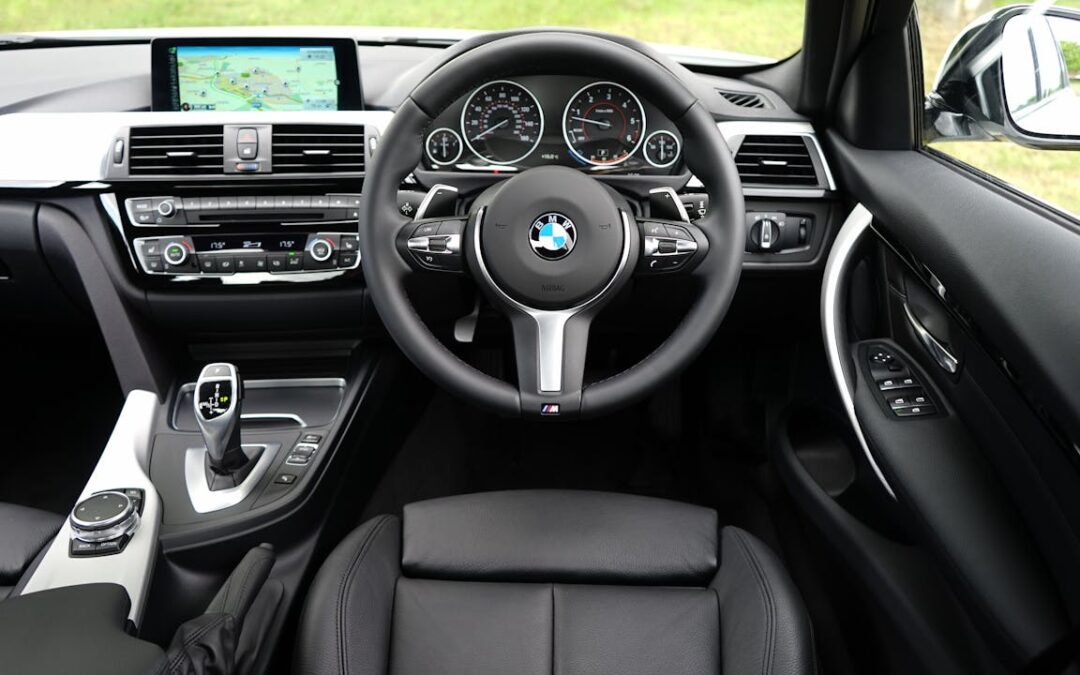


Comprehensive data revealing the transformative impact of Vehicle Listing Ads on automotive marketing performance, ROI, and customer acquisition
Key Takeaways
- Vehicle Listing Ads dramatically reduce acquisition costs – Achieving 67% lower cost-per-click compared to standard search ads while delivering superior conversion rates of 8-20%, making them the most cost-efficient digital advertising channel for dealerships
- Digital research dominates the car buying journey – With 95% of car buyers researching online before purchase and spending an average of 14 hours in digital research, Google Vehicle Ads capture high-intent shoppers at critical decision points
- Integration with inventory data is non-negotiable – Dealerships leveraging real-time inventory feeds through platforms like Link1Data achieve 25% higher conversions by ensuring ad accuracy and relevance
- Phone leads outperform digital leads significantly – 74% appointment set rates for phone leads versus 40% for internet leads, with callers converting 30% faster and showing 28% higher retention rates
- Top performers achieve exceptional ROI – Leading dealerships realize 7-10x return on ad spend with cost per lead as low as $15-25, compared to the industry average of $38.86
- Full-funnel implementation delivers compounding results – Case studies show 1,572% conversion increases when Vehicle Listing Ads are properly integrated into comprehensive marketing strategies
- Performance Max campaigns enhance results further – Delivering 48% more conversions than traditional formats when combined with accurate vehicle feeds
Market Context & Digital Research Behavior
- 95% of car buyers research online before making a purchase. This near-universal digital research behavior has transformed automotive marketing, making online presence essential rather than optional. Dealerships without optimized digital strategies effectively don’t exist for the vast majority of modern car shoppers.
- Car buyers spend approximately 14 hours researching online before visiting a dealership. The extensive digital research journey creates multiple touchpoints where Google Vehicle Ads can influence purchase decisions. This time investment indicates high purchase intent and serious consideration, making these shoppers exceptionally valuable.
- 73% of automotive advertising budgets were allocated to digital channels in 2024-2025. The significant shift toward digital advertising dominance reflects proven ROI and measurable attribution advantages. Traditional media’s declining share accelerates as digital sophistication improves across the industry.
- 71% of automotive shoppers use social media to support their car buying process. The multi-platform research behavior indicates consumers validate information across channels before making decisions. This cross-platform validation increases the importance of consistent messaging and inventory accuracy.
- The global automotive advertising market was valued at $18.5 billion in 2022 and is projected to reach $48.0 billion by 2032. The 10.2% CAGR growth reflects increasing digital investment and expanding marketing sophistication across the automotive sector. This growth creates opportunities for dealerships that implement data-driven strategies.
- 92% of car buyers research online before making a purchase. The consistency across multiple research studies confirms digital research as the universal starting point for automotive purchases. Dealerships must optimize their digital presence to capture these high-intent shoppers.
- Buyers spend average of 6 hours 41 minutes researching online specifically. Cox Automotive’s 2024 data shows focused research time dedicated specifically to vehicle evaluation. This concentrated research time indicates serious purchase intent and readiness to engage with dealerships.
Google Vehicle Ads Performance Metrics
- Vehicle Listing Ads conversion rates typically range 8-12%, with top performers achieving 15-20%. These exceptional conversion metrics significantly outperform traditional search ads’ 7.76% conversion rate. The performance advantage stems from visual, inventory-specific ads that match user intent precisely.
- Google Ads maintains 8.77% click-through rates for vehicle sales in 2025. The strong CTR performance indicates high relevance and user engagement with automotive advertising content. This engagement translates directly to increased dealership traffic and lead volume.
- Top-performing dealers achieve 7-9% CTR on Vehicle Listing Ads, while average performers see 3-5%. The performance differential reflects optimization sophistication and inventory feed quality. Dealerships investing in feed accuracy and ad optimization see nearly double the engagement rates.
- Vehicle Listing Ads generate 268% more clicks than standard search ads for the same $100 budget. The dramatic click volume advantage demonstrates superior cost efficiency and user engagement. This performance advantage translates directly to increased showroom traffic and sales opportunities.
- Store visit rate from Vehicle Listing Ads ranges 10-15% on average, with top performers at 20-25%. The high physical visit conversion indicates strong purchase intent among Vehicle Listing Ad viewers. These in-person visits typically result in higher close rates than purely digital interactions.
- Performance Max automotive campaigns demonstrate average 15.69% conversion rate. The exceptional Performance Max results reflect Google’s machine learning optimization across all available inventory and placements. This performance significantly outpaces traditional campaign types.
- Automotive repair/service campaigns achieve 14.67% Google Ads conversion rate—the highest of all industries. The industry-leading service conversion validates digital advertising investment for service departments. The high conversion rate enables profitable customer acquisition even for routine maintenance services.
- Performance Max with vehicle feeds delivers 48% more conversions than traditional formats. The substantial conversion lift demonstrates the power of combining vehicle-specific feeds with Google’s AI-driven optimization. This performance improvement compounds when combined with accurate inventory data.
Cost Efficiency & ROI Metrics
- Vehicle Listing Ads achieve 67% lower cost-per-click compared to standard search ads. The dramatic CPC reduction represents the most compelling cost advantage in automotive digital advertising. This efficiency enables dealerships to stretch marketing budgets significantly further.
- Average cost per lead for automotive search ads is $38.86. The industry benchmark CPL provides context for evaluating Vehicle Listing Ad performance. Dealerships achieving costs below this benchmark gain significant competitive advantages in customer acquisition.
- Most dealers aim for cost per lead of $25-45 for Google Vehicle Listing Ads, with top performers at $15-25. The performance-tiered CPL targets reflect optimization sophistication and market conditions. Top performers achieve nearly 60% lower costs than industry averages.
- Return on ad spend for Vehicle Listing Ads ranges 3-5x for average performers, with top performers achieving 7-10x. The exceptional ROAS metrics validate significant marketing investment in Vehicle Listing Ads. These returns significantly outpace traditional advertising channels.
- UK dealers report remarkably low cost per click below £0.20 ($0.25) for used car queries via Vehicle Listing Ads. The ultra-efficient CPC performance demonstrates the potential for exceptional efficiency in specific market segments. Used vehicle advertising shows particular cost advantages.
- Automotive repair and service achieve $28.50 cost per lead—the lowest across all industries. The service department efficiency creates profitable customer acquisition opportunities even for routine services. This performance validates aggressive digital investment in service marketing.
- Automotive search ads average $2.41 CPC with 8.29% CTR and 7.76% conversion rate. The comprehensive performance metrics provide benchmarks for evaluating Vehicle Listing Ad performance. Vehicle Listing Ads typically outperform these metrics across all dimensions.
- Cost per call from automotive Google Ads typically ranges from $15-$75 depending on market competitiveness. The phone lead pricing reflects market dynamics and campaign optimization quality. Given superior phone lead conversion rates, these costs often represent excellent value.
Conversion & Lead Quality Performance
- Dealerships pairing Google Vehicle Ads with traditional search campaigns see 25% average increase in conversions. The synergistic campaign performance demonstrates the value of comprehensive digital strategies. Vehicle Listing Ads complement rather than replace traditional search campaigns.
- Asbury Automotive Group saw 35% increase in total conversions using Vehicle Ads. The enterprise-level results validate Vehicle Listing Ads at scale across multiple dealership locations. Large automotive groups achieve significant performance improvements.
- Ken Garff Automotive Group achieved 55% boost in conversions with Vehicle Ads. The substantial conversion improvement demonstrates Vehicle Listing Ads’ impact on large automotive organizations. The performance validates significant investment in vehicle-specific advertising.
- Qvale Auto Group achieved 53% increase in conversions and 12% reduction in cost per acquisition with Google Vehicle Ads. The dual metric improvement shows simultaneous conversion gains and cost efficiency. This combination delivers maximum marketing ROI.
- UK dealers experienced 69% increase in conversions after implementing Google Vehicle Ads. The international performance validation demonstrates Vehicle Listing Ads’ effectiveness across different markets and regulatory environments.
- Midwest dealership achieved 43% more new vehicle leads in 60 days with Google Vehicle Ads. The rapid lead generation results show immediate performance improvements from Vehicle Listing Ads implementation. Quick wins validate continued investment.
- Renaissance Marketing case study: Vehicle Listing Ad sessions increased by 1,010% (from 83 to 921) in Month 2. The dramatic traffic growth shows compounding performance as campaigns mature and optimization improves. Initial results often accelerate over time.
- Conversions increased 1,572% (from 18 to 301) in Month 2 of full-funnel Vehicle Listing Ads campaign. The extraordinary conversion growth demonstrates the power of comprehensive implementation. Full-funnel strategies deliver exponentially better results than isolated tactics.
- Conversion rate improved from 12.24% to 18.63% (+52%) as Vehicle Listing Ads funnel matured. The ongoing optimization benefits show continuous improvement as campaigns gather data and refine targeting. Performance compounds over time with proper management.
Phone vs. Digital Lead Performance
- Phone leads achieve 74% appointment set rates compared to 40% for internet-generated leads. The dramatic appointment rate differential validates call-focused advertising strategies. Phone leads represent significantly higher quality and purchase intent.
- Callers convert 30% faster than web leads with 28% higher retention rates. The superior phone lead performance creates immediate sales advantages and long-term customer value. Faster conversion reduces competitive interference.
- 61% of vehicle shoppers contact dealerships by calling after search. The high call intent behavior indicates phone contact remains essential in automotive marketing. Dealerships must optimize for call capture and conversion.
- 60% of consumers searching for vehicles on mobile would call dealerships. The mobile-to-call conversion behavior validates mobile-optimized call strategies. Mobile users demonstrate high purchase intent and readiness to engage directly.
Implementation & Best Practices
- Google recommends local dealerships budget $100 daily or $3,000 monthly for vehicle ads, with minimum $1,000 monthly. The budget recommendations provide guidance for effective campaign scaling. Proper budget allocation ensures sufficient impression volume and optimization data.
- Ken Garff Automotive Group reported 20% increase in lead quality and 10% reduction in cost per lead. The quality and efficiency improvements demonstrate proper implementation benefits. Accurate inventory feeds directly impact lead quality.
- One UK dealer case study showed 74% lower CPC and 70% lower CPL with Vehicle Listing Ads. The exceptional efficiency metrics demonstrate the potential for dramatic cost reduction through proper Vehicle Listing Ads implementation.
- 86% of industries experienced cost per click increases in 2024 compared to 2023. The rising cost environment makes Vehicle Listing Ads’ cost efficiency even more valuable. Dealerships achieving lower costs gain significant competitive advantages.
Frequently Asked Questions
What are Google Vehicle Ads and how do they benefit auto dealerships?
Google Vehicle Ads (also called Vehicle Listing Ads or VLAs) are specialized ad formats that display actual vehicle inventory with images, pricing, and specifications directly in Google Search results. They benefit dealerships by achieving 67% lower cost-per-click compared to standard search ads while delivering conversion rates of 8-20%, significantly outperforming traditional search campaigns. The visual, inventory-specific format matches user intent precisely, leading to higher engagement and better-qualified leads. This makes Vehicle Listing Ads the most cost-efficient digital advertising channel available to dealerships today.
How does Google Merchant Center connect with Google Vehicle Ads for inventory listings?
Google Merchant Center serves as the vehicle inventory feed hub that powers Google Vehicle Ads across search results and other surfaces. Dealerships must maintain accurate, real-time inventory feeds in Merchant Center to ensure ads display current vehicle availability, pricing, and specifications. Platforms like Demand Local’s Link1Data automate this feed process, preventing wasted ad spend on sold vehicles and ensuring inventory accuracy. Proper feed management directly impacts campaign performance, with dealerships using real-time feeds achieving 25% higher conversions than those with manual or outdated inventory data.
What key performance indicators (KPIs) should I track for Google Vehicle Ads?
Essential KPIs include cost per lead (industry average $38.86, with top performers at $15-25), conversion rate (8-12% average, 15-20% for top performers), and return on ad spend (3-5x average, 7-10x for top performers). Store visit rate (10-25%) and phone lead metrics are particularly important, with phone leads achieving 74% appointment set rates compared to 40% for internet leads. Tracking these metrics helps optimize campaigns for maximum profitability.
Can first-party data improve the effectiveness of my Google Vehicle Ads campaigns?
Absolutely—integrating CRM and DMS data with Google Vehicle Ads enables custom audience targeting, look-alike prospecting, and sales match-back reporting that significantly improve campaign performance. First-party data allows you to target previous customers, service clients, and high-value prospect segments with specific inventory that matches their preferences. Demand Local’s inventory marketing solutions specialize in connecting first-party data with vehicle advertising platforms to improve targeting precision. This data integration helps top performers achieve 7-10x return on ad spend compared to 3-5x for average performers.
How quickly can I see results from implementing Google Vehicle Ads?
Many dealerships see immediate improvements, with case studies showing 43% more new vehicle leads within 60 days of implementation. However, performance typically compounds over time as campaigns gather optimization data and targeting refines. One Renaissance Marketing case study showed conversions increasing 1,572% from Month 1 to Month 2 as the full-funnel strategy matured, with conversion rates improving from 12.24% to 18.63% (+52%). Review our case studies for real-world performance examples showing both immediate wins and long-term optimization benefits.