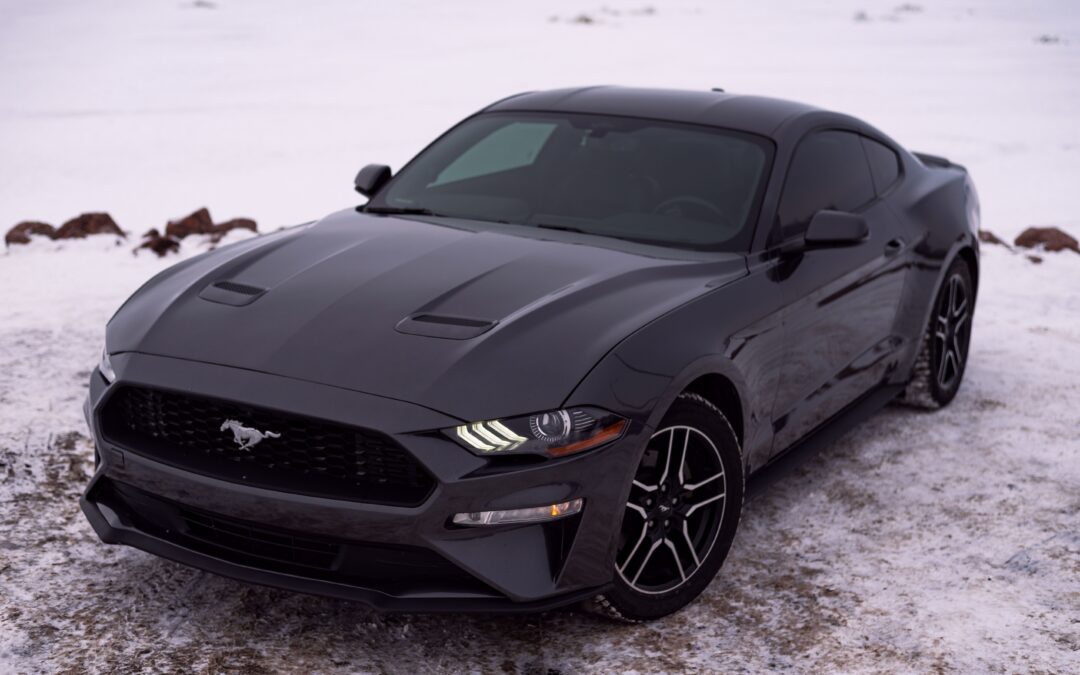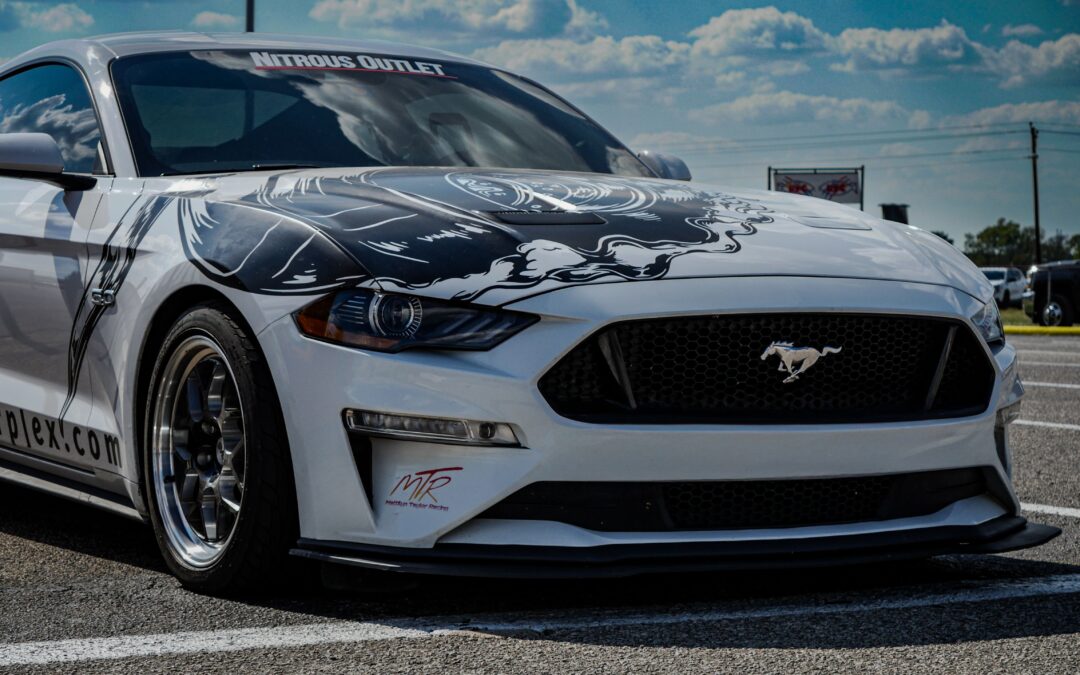

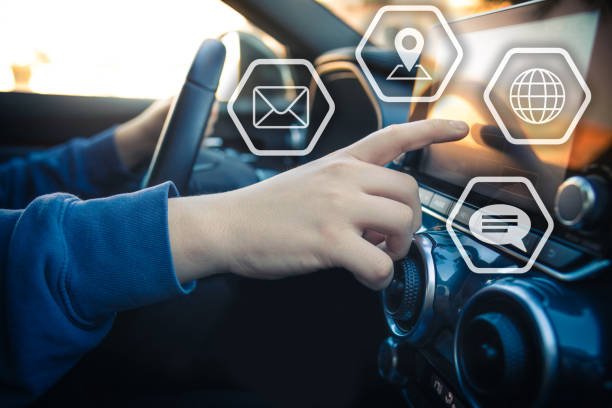
Comprehensive data compiled from extensive research across digital marketing channels, automotive industry reports, and technology adoption trends
Key Takeaways
- Real-time response determines winners – Dealers responding to leads within 5 minutes are 100x more likely to make contact than those taking 30+ minutes
- Speed determines market winners – 78% of customers buy from the first business to respond, yet only 16% of dealers currently meet the 5-minute threshold
- Massive adoption-satisfaction gap creates opportunity – While 83% of dealers have data dashboards, only 26% feel confident in third-party data insights, revealing competitive advantage potential
- AI and automation transform cost structures – Marketing automation reduces customer acquisition costs by 37% while AI-powered inventory management cuts days on lot by 20-50%
- Personalization drives 40% revenue increases – Companies excelling at real-time personalization generate substantially more revenue than competitors through improved engagement
- Digital dominates, but in-person closes – 95% of buyers researched online (as of 2017), but 80% of Gen Z still prefer completing purchases at dealerships, requiring omnichannel excellence
- Geographic targeting doubles effectiveness – Geofenced campaigns achieve 2x the click-through rates while local inventory ads boost conversions by 25-55%
Real-Time Analytics Adoption & Impact
- 83% of dealerships have access to data dashboards, but only 26% feel confident in third-party insights. According to Cox Automotive’s study, the vast majority of dealers have analytics tools but struggle specifically with third-party data interpretation. This confidence gap stems from fragmented data sources and a lack of real-time integration. The opportunity for competitive advantage through superior analytics implementation has never been greater.
- 70% of dealers report that real-time data lags make insights less useful. Cox Automotive research reveals that data latency significantly impacts decision-making effectiveness. Even small delays in inventory updates or lead notifications can result in missed opportunities. Real-time systems eliminate these gaps, enabling instant response to market changes.
- Dealerships could achieve 25% increases in sales per employee through comprehensive technology. McKinsey analysis demonstrates that technology-enabled productivity improvements directly impact profitability. This requires implementing real-time analytics across customer-facing and back-office processes. Each 1% productivity gain equals approximately $500,000 in annual revenue for average dealerships.
- Multi-touch attribution delivers a 27% increase in conversion rates. Nielsen Visual IQ automotive analysis shows multi-touch attribution provides a 9.7% increase in conversion volume and 7.2% increase in media efficiency. This insight revolutionizes budget allocation decisions and campaign optimization. Dealers missing these attribution insights significantly undervalue their digital investments.
- The North American dealership software market is projected to reach $12.95 billion by 2033. Growing from $5.45 billion in 2023, Allied Market Research projects an 8.86% CAGR through 2033. This growth reflects increasing technology adoption and competitive pressures. The automotive data management segment alone will reach significant scale, driven by real-time analytics demand.
- Real-time inventory management cuts days on lot by 20-50%. McKinsey research shows dramatic efficiency gains from AI-powered inventory systems. Front-end margins increase 1-2% through optimized pricing and faster turns. Industry leaders maintain a 30-45-day supply versus 60-day averages, achieving consistent sales growth.
- 43% of qualified automotive leads are currently mishandled. Foureyes’ dealer benchmarks reveal a massive opportunity for improvement in lead management. Poor follow-up and slow response times account for most failures. Real-time lead routing and automated responses can capture this lost revenue immediately.
- 54% of dealers experience conflicting data across multiple sources. The Cox Automotive study shows data fragmentation creates operational challenges. This inconsistency undermines confidence in analytics insights. Integrated real-time platforms solve this fragmentation by centralizing data sources.
Digital Marketing Performance Metrics
- Automotive repair/service achieves the highest conversion rates at 12.96% for search ads. WordStream’s 2024 benchmarks show automotive repair and service leading all industries in search conversion performance. Vehicle sales campaigns also perform well with strong intent-driven traffic. This 3x performance gap over average industries demonstrates the impact of real-time bid management.
- Google Ads delivers $42.95 cost per lead for vehicle sales. Industry benchmarks reveal efficient acquisition costs for search advertising. Repair and service campaigns cost slightly less at $27.94 per lead. These metrics outperform Facebook’s higher CPL despite lower reach, highlighting search intent value.
- Vehicle sales campaigns achieve 8.58% CTR on Google Ads. WordStream data shows exceptional engagement for auto sales ads. Service and repair campaigns achieve 5.69% CTR, still above cross-industry averages. Real-time inventory feeds and dynamic ad customization drive these superior click rates.
- Facebook automotive ads achieve 1.02% CTR with $0.79 CPC for vehicle sales. WordStream’s 2024 Facebook benchmarks show automotive-specific performance: repair/service campaigns achieve 1.10% CTR at $0.96 CPC. Lead generation campaigns show $81.45 cost per lead with 4.86% conversion rates. The key lies in matching ad format to platform behavior patterns.
- Email stock alerts achieve 59% open rates with 29% click rates. Marketing Delivery’s benchmarks demonstrate the power of timely, relevant messaging. MOT reminders reach similar open rates, far exceeding the 12.6% automotive email average. Real-time inventory triggers create urgency that drives exceptional engagement.
- 37% of qualified leads receive no dealer contact. Foureyes’ 2024 report exposes critical gaps in lead follow-up processes. Only 27% of all leads receive any contact attempt within reasonable timeframes. Automated real-time response systems can immediately capture this lost opportunity.
Consumer Behavior & Journey Analytics
- 95% of vehicle buyers used digital sources for research (2017 study). Google research from 2017 found digital’s dominance in the purchase journey. Buyers visited an average of 4.5 websites but only 2 dealerships before purchasing. While this data is from 2017, current digital-first behavior likely exceeds these levels, demanding sophisticated online presence and real-time engagement capabilities.
- Over 70% of auto shoppers use mobile devices during their journey. Studies reveal mobile’s critical role in research and comparison. Mobile users show different behavior patterns, preferring quick information access and visual content. Real-time mobile optimization directly impacts lead quality and conversion rates.
- 58.9% of qualified leads buy within 3 days of initial contact. Foureyes statistics emphasize the importance of speed in automotive sales. Proper real-time follow-up dramatically increases close rates within this critical window. Automated nurture sequences triggered by real-time behaviors maximize this opportunity.
- 80% of Gen Z buyers prefer finishing deals in person despite digital research. Urban Science analysis challenges assumptions about digital natives. While 75% start on social media, they value in-person expertise for final decisions. This omnichannel preference requires seamless online-to-offline handoffs powered by real-time data.
Technology Adoption & AI Integration
- 75% of all marketers experiment with or fully implement AI (across all industries). Salesforce research reports widespread AI adoption across marketing sectors. However, only 12% achieve clear ROI from AI implementations currently. Success requires integration with real-time data streams and clear use cases, with automotive applications showing particular promise.
- Automotive AI market projected to reach $134.3 billion by 2033. Growing from $7.7 billion in 2024 at 37.4% CAGR, Market.us projections show explosive AI growth in automotive. This includes marketing automation, predictive analytics, and customer experience applications. Early adopters gain significant competitive advantages through AI-powered real-time optimization.
- Automotive represents 7.2-12.6% of US digital ad spend, second only to retail. eMarketer research shows automotive at $21.22 billion in 2024, with retail leading at $88.7+ billion (28.7% share). This investment level demands sophisticated real-time optimization to maximize returns. Automotive advertising continues growing at 16% annually, according to GroupM.
- Big data in automotive grows from $6.91 billion in 2025 to $15.02 billion by 2030. Mordor Intelligence projections show 16.78% CAGR growth. Connected vehicles generate 25GB of data per hour, creating massive analytical opportunities. Real-time processing becomes essential for actionable insights.
- Real-time bidding market projected to reach $275.98 billion by 2033. From $21.18 billion in 2024, Market Data Forecast analysis shows explosive RTB growth at 33.01% CAGR. Automotive advertisers increasingly rely on programmatic for efficiency. Real-time optimization algorithms determine campaign success.
- Toyota Canada achieves 6x conversion boost with real-time attribution. Google Marketing Platform case study demonstrates advanced analytics impact. BigQuery integration enabled real-time multi-touch attribution modeling with 80% CPA reduction. This granular insight transformed budget allocation and campaign optimization.
Geographic & Demographic Targeting
- 75% of Gen Z consumers check social media first for auto information. Deloitte study reveals generational platform preferences. Yet 80% still complete purchases in person, requiring omnichannel strategies. Real-time social listening and engagement capture these buyers effectively.
- Significant urban vs rural mobility differences shape purchase patterns. Pew Research shows 71% of high-income urban earners use ridesharing versus 32% rurally. Vehicle preferences vary significantly by population density. Real-time geographic segmentation improves targeting relevance.
- Location data drives 25-35% more visits per marketing dollar spent. PlaceIQ and Marketing Evolution partnership demonstrates location intelligence value. High-value users identified through location data purchase at 34% higher rates according to Experian. Real-time location analytics enable precise campaign measurement and optimization.
Budget Allocation & ROI Metrics
- Average dealer marketing spend reaches $528,923 annually. NADA’s 2023 report breaks down spending: $105,256 for SEM, $109,487 for third-party sites, $103,140 for SEO/website. Digital comprises 72.2% of total marketing budgets. Real-time optimization ensures maximum return on these investments.
- AI-driven marketing reduces customer acquisition costs by 37% (general marketing). Single Grain research demonstrates AI’s financial impact across industries. Companies see positive ROI within 12 months of implementation. Real-time triggered campaigns drive these efficiency gains in automotive applications.
- Personalization leaders generate 40% more revenue. Research shows clear financial benefits of real-time personalization. These companies also see higher customer lifetime values. The compound effect of better targeting and engagement drives profitability.
- Moses Toyota achieves 4,900% ROI from Facebook Inventory Ads. ShapeShift Group case study documents $220,433 gross profit from $4,500 ad spend over 3 months. 66 vehicles sold at $68 cost per sale through real-time inventory feeds. The key is matching creative to platform capabilities with dynamic inventory.
- Every 1% sales productivity gain worth $500,000 annually. McKinsey calculations demonstrate productivity’s financial impact. For average U.S. dealerships, small improvements yield significant returns. Real-time analytics drive consistent productivity gains.
Competitive Advantages & Speed Metrics
- 78% of customers buy from the company that responds first. Lead response research emphasizes speed’s importance. First contact often determines the winner regardless of price. Real-time response systems provide decisive competitive advantage.
- Dealers responding within 5 minutes are 100x more likely to make contact. Lead Response Management statistics reveal dramatic response time impact. They’re also 21x more likely to qualify leads versus 30-minute response. Yet only 16% of dealers currently meet this threshold.
- AI-powered pricing achieves 5% margin improvements. McKinsey research demonstrates AI’s pricing impact. Both new and used vehicles benefit from dynamic optimization. Real-time market data enables precise pricing decisions.
- Customer satisfaction scores increase 31 points with real-time service updates. J.D. Power’s 2025 study shows technology’s satisfaction impact. Service advisors using real-time photos and videos excel. Transparency through real-time communication builds trust.
- Dealers face significant margin pressure without digital transformation. BCG’s 2025 analysis warns that margins are “under significant strain” for traditional dealers. Days to sell rose from 30 to nearly 60 between early 2023 and 2024, while dealers’ ability to sell above MSRP dropped 50%. Real-time analytics capabilities determine survival and success.
FAQs on Real-Time Analytics for Auto Ads
Q: What’s the actual ROI timeline for implementing real-time analytics platforms?
A: Most dealerships see positive returns within 6-12 months, with 74% achieving clear ROI within the first year. The key is starting with high-impact areas like lead response time and inventory management for quick wins.
Q: How much should dealers budget for real-time analytics technology?
A: With average marketing spend at $528,923 annually and digital comprising 72.2%, allocating 10-15% of digital budget to analytics platforms is reasonable. This $30,000-50,000 annual investment typically returns 5-8x through improved efficiency and conversion rates.
Q: Which real-time metrics matter most for immediate impact?
A: Lead response time offers the highest immediate impact – responding within 5 minutes makes you 100x more likely to make contact versus 30+ minutes. Inventory turn rates and cost-per-lead by channel also provide quick optimization opportunities with measurable results.
Q: How do we overcome the data confidence gap that 74% of dealers face?
A: Start with integrated platforms that consolidate data sources rather than point solutions. Focus on actionable metrics tied to revenue, not vanity metrics. Invest in training and choose vendors providing strategic guidance, not just dashboards.
Q: Can smaller dealerships compete with larger groups on analytics?
A: Yes, cloud-based SaaS platforms have democratized access to enterprise-level analytics. Many platforms scale pricing by inventory size, making them affordable for smaller dealers. The 25% productivity gain potential applies regardless of dealership size.
Q: What’s the risk of not adopting real-time analytics?
A: BCG projects significant margin pressure for dealers not digitally transforming. With 78% of customers buying from first responders and competitors achieving better ROI, the risk is immediate market share loss and long-term irrelevance.
Q: How do we handle the complexity of multi-touch attribution?
A: Modern platforms automate multi-touch attribution using machine learning. The 27% conversion rate improvement from proper attribution justifies the complexity. Start with platform-provided models before customizing based on your specific customer journey.
Sources Used
- Cox Automotive Power of Data Study
- McKinsey – Boosting Auto Sales Productivity
- Foureyes 2024 Automotive Dealer Benchmarks
- WordStream Google Ads Benchmarks 2024
- WordStream Facebook Ads Benchmarks 2024
- Marketing Delivery Q4 2024 Email Benchmarks
- Google – Auto Digital Retail Trends (2017)
- Salesforce Marketing Trends Report
- Market.us – AI in Automotive Market
- Allied Market Research – Dealership Software Market
- NADA Advertising Spend Report
- Single Grain – AI Marketing Optimization
- Lead Response Management Study
- J.D. Power Customer Service Index Study 2025
- Google Marketing Platform Case Studies
- BCG – Steering US Auto Dealers Toward Profitable Future
- Nielsen Visual IQ – Multi-Touch Attribution
- eMarketer – Industries Ranked by Digital Ad Spend
- ShapeShift Group – Toyota Dealership Case Study
- PlaceIQ/Marketing Evolution Partnership