

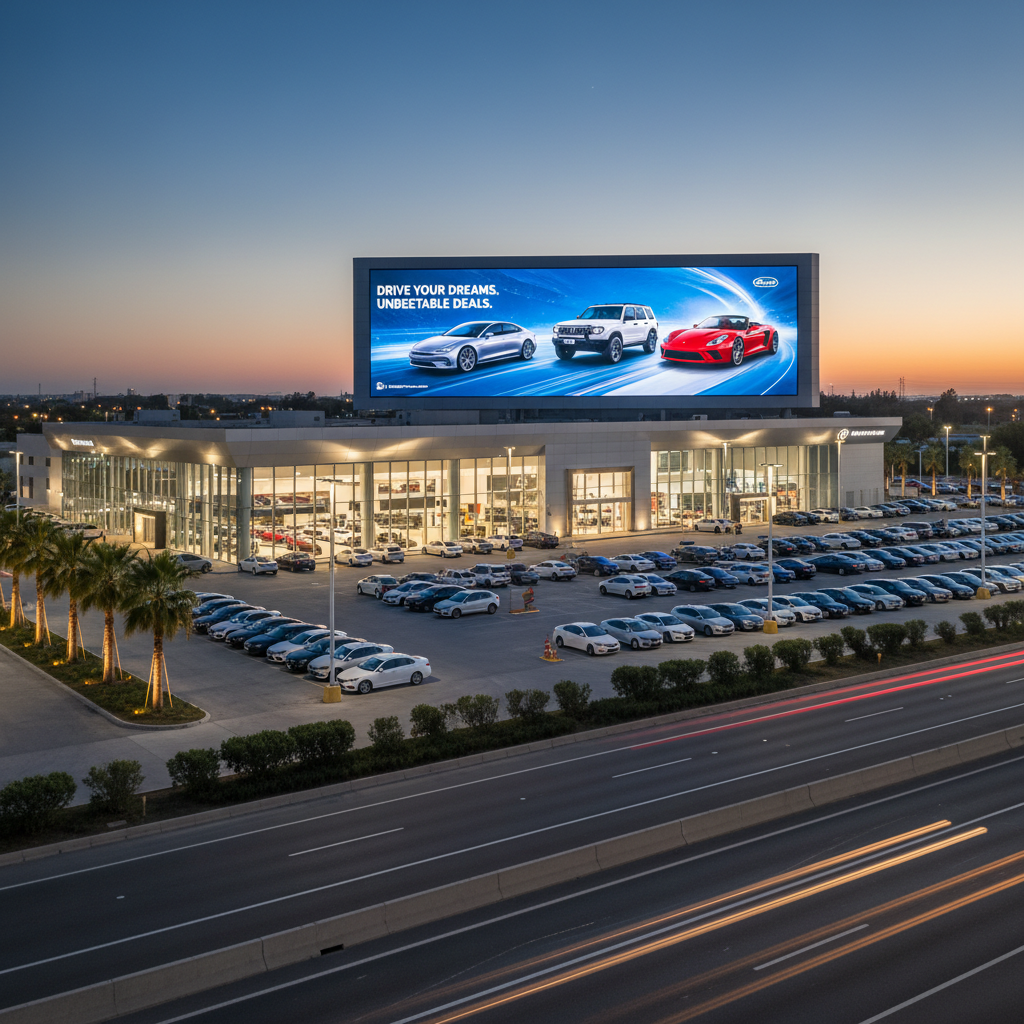
Every day a vehicle sits unsold on your lot, it costs your dealership money. By day 90, a $25,000 used car will have experienced meaningful depreciation and accumulated significant holding costs. CTV advertising offers dealerships a powerful solution to accelerate sales of these aging units through precise targeting, dynamic inventory integration, and measurable attribution that associates ad spend with showroom traffic and sales.
Key Takeaways
- Aging inventory past the 60-day mark significantly erodes profit margins through depreciation and holding costs
- CTV campaigns resulted in a noticeable increase in dealership visits compared to prior strategies
- As of 2024, about 88% of U.S. households have at least one streaming video service, making CTV essential for reaching modern car buyers
- Dynamic inventory integration allows dealerships to showcase specific aged vehicles directly in CTV ads without manual updates
- CTV’s hyper-local targeting reaches individual households based on demographics, location, and competitive shopping behavior where data partners permit
- Attribution models can associate CTV exposures with downstream visits and sales via privacy-safe match-back and lift analyses; results are modeled and should be interpreted with appropriate controls
- Proper multi-channel strategies pair CTV with search, social, and display for maximum inventory turnover
What Is CTV and Why Car Dealerships Are Investing in Connected TV Advertising
Connected TV (CTV) refers to television content delivered through internet-connected devices like smart TVs, streaming sticks (Roku, Fire TV), and gaming consoles. Unlike traditional linear television that broadcasts to broad demographic segments within Designated Market Areas (DMAs), CTV delivers targeted ads to specific households based on detailed data profiles.
CTV advertising has become a strategic priority for forward-thinking dealerships because it meets car buyers where they actually consume media. With cord-cutting accelerating, traditional TV’s reach continues to decline while CTV audience grows exponentially. Many dealers target a 30-45 day turn to preserve front-end gross, making rapid inventory turnover critical.
CTV vs. Traditional TV for Automotive Marketing
Traditional broadcast television requires dealerships covering multiple DMAs to purchase expensive ad packages across numerous stations. A dealership serving Wisconsin, Iowa, Illinois, and Indiana would need a multi-station, multi-DMA campaign that significantly inflates the budget while still delivering imprecise targeting.
CTV solves this problem through:
- Hyper-local targeting that reaches individual households within specific zip codes
- Data-driven audience segmentation based on purchase intent, lifestyle, and competitive shopping behavior
- Cost-effective scaling without the premium pricing of broadcast television
- Real-time campaign optimization based on performance metrics
- Cross-device attribution that connects viewing to subsequent dealership visits
How Connected TV Reaches In-Market Auto Shoppers
CTV’s targeting capabilities allow dealerships to identify the finite number of consumers actively shopping for vehicles. By combining first-party data (previous customers, website visitors) with third-party data sources, dealers can build audiences of consumers who:
- Have visited competitor dealerships in the past 30 days
- Are actively researching specific vehicle types or price ranges
- Live within a defined radius of the dealership
- Match demographic profiles of previous successful customers
- Have shown intent signals through online behavior
With tens of millions of in-market auto shoppers in streaming households, CTV provides unprecedented access to ready-to-buy audiences that traditional TV simply cannot match efficiently.
The Aged Inventory Problem: Why Days-on-Lot Increase Holding Costs and Margin Erosion
Aging inventory represents one of the most significant financial challenges facing dealerships today. Vehicles that languish past the 60-day mark not only occupy valuable lot space but actively erode profitability through multiple cost factors.
How Quickly Vehicles Depreciate After 60 Days
Depreciation varies by segment and market conditions; used vehicles have recently depreciated by about 1.3% over a four-week period, based on leading industry indexes. Key depreciation impacts include:
- A $25,000 used car may experience depreciation in value over 90 days
- Studies show that eliminating six days from Time to Line (T2L) on 100 units at $40 daily holding cost saves dealerships $24,000 per month
- Recent market commentary from Cox Automotive indicates residual decline is accelerating in the current used car market, making rapid inventory turnover more critical than ever
OEM Incentives and the Clock on Model-Year Stock
New vehicle inventory faces similar pressures, particularly as model-year changeovers approach:
- OEM incentives often expire at quarter-end or year-end, creating urgency to move specific units
- Floorplan interest continues to accrue regardless of sales pace
- Holding costs accumulate from general operating overhead, including floorplan inventory investment and cost of capital
- Every unsold vehicle represents capital that cannot be deployed to acquire more desirable, faster-turning inventory
Industry best practices emphasize selling the majority of inventory within the first 30 days of ownership; without this focus, even new inventory will age out quickly.
How CTV Advertising Targets In-Market Buyers for Specific VINs and Models
The true power of CTV for automotive inventory management lies in its ability to target specific vehicles to specific audiences through dynamic creative optimization and first-party data activation.
VIN-Level Creative: Matching Ads to Exact Vehicles
Modern CTV platforms enable VIN-level targeting through dynamic creative assembly. This means:
- Individual commercials can be generated for each specific VIN in your aged inventory
- Vehicle details like trim level, features, mileage, and price are automatically pulled from your inventory feed
- Creative templates maintain brand consistency while showcasing exact vehicles available
- Campaigns typically launch in 2-7 days after feeds and creative approval; co-op approvals may extend timelines
This approach transforms CTV from a broad awareness channel into a precise inventory liquidation tool that showcases exactly what you need to move.
First-Party Data Activation on CTV Platforms
The most effective CTV campaigns leverage first-party data to build highly targeted audiences:
- Previous customers can be excluded from campaigns (since they recently purchased)
- Service customers who haven’t visited sales can be targeted with special offers
- Website visitors who viewed specific vehicle types can be retargeted with matching inventory
- CRM data can be enriched with third-party signals to identify look-alike prospects
Automotive marketing experts explain that while dealers know their current customers, third-party data from trusted providers offers additional insights into customer lifestyles and preferences, enabling more informed and powerful marketing strategies.
This data-driven approach ensures marketing dollars reach consumers most likely to purchase your specific aged inventory, dramatically improving efficiency and reducing wasted impressions.
Building a Multi-Channel Strategy: Pairing CTV with Search, Social, and Display
While CTV excels at building awareness and driving initial interest, the most effective inventory liquidation campaigns integrate CTV into a comprehensive omnichannel strategy that guides consumers through the entire purchase journey.
CTV for Awareness, Search for Conversion
The optimal channel mix leverages each platform’s strengths:
- CTV: Builds top-of-funnel awareness and brand consideration through high-impact video
- Search: Captures active intent when consumers search for specific vehicles or dealerships
- Social: Engages mid-funnel prospects with dynamic inventory ads and special offers
- Display: Retargets CTV viewers with personalized inventory across the web
This sequential approach ensures consistent messaging while meeting consumers at each stage of their research journey.
Retargeting CTV Viewers with Dynamic Display and Social
Cross-device retargeting connects the user’s journey across screens:
- Viewers can often be retargeted across devices with Facebook Vehicle Ads via privacy-compliant identity graphs; accuracy and scale vary by partner
- Google Vehicle Ads can capture search intent for specific makes and models
- Dynamic display ads follow prospects across websites with personalized inventory recommendations
- Mobile messaging can deliver special offers to drive immediate showroom visits
This multi-touch approach significantly increases conversion likelihood by maintaining consistent messaging across the channels where consumers spend their time.
Case Study: Moving 12 Aged EV Units in Weeks with Dynamic CTV and Display
Demand Local’s work with a dealership struggling with aged electric vehicle inventory demonstrates CTV’s effectiveness for specific inventory challenges. The dealership had 12 EV units that had been on the lot for over 90 days, representing significant capital investment and depreciating assets.
The campaign strategy included:
- Dynamic CTV creative showcasing each specific EV with accurate pricing and features
- Hyper-local targeting within a 25-mile radius of the dealership
- Competitive conquesting targeting owners of competing EV models
- Cross-channel retargeting through display and social media
- Real-time optimization based on VDP views and showroom traffic
Results were achieved within weeks:
- All 12 aged EV units sold completely
- Significant increase in EV-related website traffic and VDP views
- Measurable showroom traffic attributed to CTV exposure
- Reduced overall inventory age and improved turn rates
This single-dealership case study illustrates how CTV’s precision targeting and dynamic creative capabilities can solve specific inventory challenges that traditional advertising methods struggle to address efficiently.
Comparing CTV Performance Across Dealership Types: CarMax, Enterprise Car Sales, Hertz Car Sales, and Franchise Dealers
CTV’s effectiveness varies slightly across different dealership models, but the core benefits remain consistent regardless of business type.
How Rental Car Sales Channels Use CTV to Clear Fleet Units
Companies like Hertz Car Sales and Enterprise Car Sales can use CTV to address unique inventory challenges:
- Large volumes of off-lease vehicles with similar specifications
- Need to move units quickly before depreciation accelerates
- Consistent inventory flow requiring scalable marketing solutions
- Price-sensitive buyer segments seeking value propositions
CTV can help these organizations by:
- Creating evergreen campaigns that automatically update with current inventory
- Targeting value-conscious buyers in specific geographic markets
- Building brand awareness for their unique business model
- Driving traffic to both online and physical locations
Franchise Dealer Co-Op Budgets and CTV Compliance
Franchise dealerships must navigate additional considerations:
- OEM co-op advertising requirements and approval processes
- Brand compliance standards for creative messaging
- Local market customization within national brand guidelines
- Multi-rooftop coordination for consistent messaging
CTV addresses these needs through:
- Pre-approved creative templates that meet OEM standards
- Automated compliance tracking and documentation
- Local inventory integration within brand-approved frameworks
- Performance reporting that justifies co-op fund utilization
The flexibility of CTV platforms allows franchise dealers to maintain brand consistency while effectively promoting local inventory challenges.
Setting Up Your First CTV Campaign: Creative, Budgets, and Inventory Feed Integration
Launching an effective CTV campaign for aged inventory requires attention to creative specifications, budget allocation, and technical integration.
Creative Best Practices: Length, Messaging, and CTAs
Effective CTV creative for inventory liquidation includes:
- 15-30 second video spots that quickly communicate key vehicle benefits
- Clear, readable text overlays highlighting price, features, and special offers
- Strong calls-to-action driving immediate showroom visits or website traffic
- Consistent brand elements maintaining dealership identity
- Multiple creative variations to prevent ad fatigue and test messaging effectiveness
Creative should focus on the specific benefits of the aged inventory being promoted, whether that’s price savings, unique features, or limited availability.
Budget Allocation: CTV vs. Search vs. Social
Effective budget allocation depends on dealership size and inventory challenges:
- Small dealerships: Start with $1,000-$2,000 monthly CTV budgets focused on highest-priority aged units
- Mid-size dealerships: Allocate 30-40% of digital budget to CTV, with remainder split between search and social
- Large groups: Scale CTV investment proportionally to inventory challenges, with coordinated campaigns across rooftops
CTV typically operates on CPM (cost per thousand impressions) pricing, with benchmarks varying by market size and targeting specificity. The key is ensuring sufficient frequency to drive awareness while maintaining efficient cost per sale.
Measuring CTV ROI: Attribution, VDP Views, and Sales Match-Back Reporting
One of the most significant advantages of CTV over traditional television is its measurable attribution capabilities. Rather than relying on vague awareness metrics, CTV campaigns can be tied to business outcomes.
How to Tie CTV Impressions to Showroom Visits
Modern attribution models can associate CTV exposures with downstream visits and sales via privacy-safe match-back and lift analyses; results are modeled through:
- IP address matching between CTV viewing and subsequent website visits
- Location data showing proximity to dealership after ad exposure
- Cross-device tracking following consumer journey from CTV to mobile to in-store
- Sales match-back connecting ad exposure to actual vehicle purchases
All measurement and messaging must adhere to applicable laws (e.g., CPRA/CCPA, TCPA for SMS) and partner policies.
This footfall attribution allows dealers to see how many ad viewers subsequently visited the dealership location, providing proof of campaign effectiveness.
Weekly Dashboard Metrics That Matter
Effective CTV reporting should include:
- Impressions and reach by demographic and geographic segment
- Video completion rates indicating ad engagement
- VDP views showing interest in specific vehicles
- Website traffic attributed to CTV exposure
- Showroom visits with time-to-visit metrics
- Sales match-back connecting campaigns to actual transactions
- Cost per sale providing clear ROI measurement
These metrics allow for real-time optimization, ensuring campaigns remain focused on moving the specific inventory that needs attention most.
Advanced Tactics: Dynamic Vehicle Acquisition and Conquesting via CTV
While CTV excels at moving existing inventory, advanced applications can also help dealerships acquire the right inventory to begin with through strategic conquesting campaigns.
Targeting Owners of Specific Makes and Models for Trade-Ins
CTV enables sophisticated vehicle acquisition strategies by:
- Targeting owners of specific makes and models approaching lease-end
- Promoting trade-in incentives to competitive brand owners
- Highlighting certified pre-owned (CPO) program benefits
- Driving appraisal requests through compelling creative
This approach helps dealerships proactively fill their CPO lots with desirable inventory, reducing reliance on auctions and improving overall inventory quality.
Using CTV to Fill Your CPO Lot
Certified pre-owned programs represent significant profit opportunities, and CTV can accelerate inventory acquisition through:
- Make/model targeting based on registration data and ownership patterns
- Geographic targeting around competitor dealership locations
- Life-stage targeting identifying consumers likely to upgrade vehicles
- Seasonal messaging aligned with lease-end patterns and model-year changes
These acquisition campaigns complement inventory liquidation efforts, creating a complete inventory management cycle powered by CTV’s precision targeting capabilities.
Privacy, Compliance, and First-Party Data in CTV Advertising for Auto Dealers
As privacy regulations evolve and third-party cookies disappear, first-party data becomes increasingly critical for effective CTV targeting.
Why First-Party CRM Data Outperforms Third-Party Cookies
First-party data advantages include:
- Higher accuracy since it comes directly from customer interactions
- Better compliance with evolving privacy regulations like CCPA and GDPR
- Stronger performance due to direct relationship signals
- Future-proofing against cookie deprecation and privacy changes
Dealerships with robust CRM and DMS data can build highly effective CTV audiences without relying on increasingly restricted third-party data sources.
Ensuring OEM Co-Op Fund Compliance in CTV Campaigns
CTV campaigns must meet OEM requirements for co-op fund eligibility:
- Brand-compliant creative following manufacturer guidelines
- Proper logo usage and brand element placement
- Accurate pricing that matches advertised offers
- Comprehensive reporting demonstrating performance and compliance
- Approved vendor relationships where required by specific OEM programs
Working with CTV partners experienced in OEM compliance ensures campaigns meet both performance and regulatory requirements.
CTV Budget Planning: CPM Benchmarks, Flight Length, and Seasonal Timing
Effective CTV investment requires strategic planning around timing, duration, and allocation.
When to Launch CTV Campaigns for Maximum Impact
Optimal timing considerations include:
- Model-year changeovers when clearing current year inventory
- Quarter-end pushes aligned with OEM incentive programs
- Seasonal transitions when consumer preferences shift
- Inventory aging milestones at 45, 60, and 75 days on lot
- Competitive events when rivals are running major promotions
Launching campaigns before inventory becomes severely aged maximizes effectiveness and minimizes required discounts.
Recommended Budget Splits by Dealership Size
Budget allocation should reflect inventory challenges and market conditions:
- Single-point dealerships: $1,500-$3,000 monthly focused on highest-priority units
- Mid-size franchises: $3,000-$8,000 monthly with coordinated campaigns across channels
- Large groups: $10,000+ monthly with sophisticated audience segmentation and retargeting
The key is maintaining sufficient frequency to drive awareness while ensuring measurable ROI through proper attribution and optimization.
How Demand Local’s LinkOne Data Platform Powers Inventory-Synced CTV Campaigns
Demand Local’s LinkOne Data platform transforms CTV from a generic awareness channel into a precision inventory management tool by connecting first-party data directly to CTV ad delivery.
One-Week Launch: From Data Audit to Live CTV Ads
Demand Local’s streamlined onboarding process enables rapid campaign deployment:
- Data audit identifies available CRM, DMS, and inventory feeds
- API integration connects directly to systems like Eleads, VinSolutions, and CDK
- Audience building creates custom and look-alike segments from first-party data
- Creative assembly generates dynamic ads with live inventory feeds
- Campaign launch activates within one week with no startup fees
This rapid deployment ensures dealerships can quickly address inventory challenges without lengthy implementation periods.
Weekly Dashboards: VDP Views, Leads, and Sales Match-Back
Demand Local’s proprietary attribution reporting provides clear ROI measurement through:
- Ad influence insights showing campaign impact across channels
- Sales match-back connecting CTV exposure to actual vehicle purchases
- VDP views indicating specific vehicle interest
- Cost-per-lead metrics demonstrating efficiency improvements
- Weekly optimization based on real-time performance data
This transparent reporting ensures marketing investments directly contribute to inventory turnover and profitability goals.
Demand Local: Your Partner for Data-Driven CTV Success
Demand Local stands out as the ideal partner for dealerships looking to leverage CTV for aged inventory liquidation because of their unique combination of automotive expertise, proprietary technology, and proven results. Since 2008, they’ve served nearly 1,000 dealerships across the United States and Canada, developing deep expertise in the specific challenges automotive retailers face.
What makes Demand Local different is their LinkOne Data platform, which seamlessly connects your CRM, DMS, and inventory feeds to create hyper-targeted CTV campaigns that automatically update as your inventory changes. Their CTV & OTT advertising solutions deliver VIN-level or audience-level video via The Trade Desk, ensuring your aged inventory reaches exactly the right buyers.
Demand Local’s approach combines the precision of first-party data activation with the reach of connected TV, resulting in campaigns that drive measurable results. Demand Local’s published case studies demonstrate a 43% reduction in cost-per-lead for specific clients and the ability to move challenging inventory like the 12 aged EV units sold within weeks.
With secure APIs, privacy-safe encryption, and adherence to global privacy standards, Demand Local ensures your data remains protected while delivering maximum campaign effectiveness. Their managed service model means you get expert campaign management without needing in-house CTV expertise, and their rapid launch capability means you can start moving aged inventory within days, not months.
FAQs on Using CTV to Sell Aged Inventory Faster for Dealerships
Q: What is CTV advertising and how does it differ from traditional TV for car dealerships?
A: CTV (Connected TV) advertising delivers targeted video ads through internet-connected devices like smart TVs and streaming sticks, unlike traditional broadcast TV that reaches broad demographic segments within Designated Market Areas. CTV allows for hyper-local targeting down to individual households based on detailed data profiles where permitted by privacy-compliant data partners, making it significantly more efficient for reaching in-market car buyers. CTV campaigns resulted in a noticeable increase in dealership visits compared to prior strategies.
Q: How quickly can a dealership launch a CTV campaign targeting aged inventory?
A: With the right technology partner, dealerships can launch CTV campaigns targeting specific aged inventory within one week. Demand Local’s LinkOne Data platform enables rapid deployment through pre-built integrations with major DMS systems like Eleads, VinSolutions, and CDK. Campaigns typically launch in 2-7 days after feeds and creative approval; co-op approvals may extend timelines.
Q: What metrics should dealers track to measure CTV ROI and sales attribution?
A: Effective CTV measurement includes both engagement and conversion metrics: video completion rates, VDP views, website traffic attributed to CTV exposure, showroom visits with time-to-visit data, and sales match-back connecting ad exposure to actual vehicle purchases. Attribution models can associate CTV exposures with downstream visits and sales via privacy-safe match-back and lift analyses; results are modeled and should be interpreted with appropriate controls. The most important metric is cost per sale, which provides clear ROI measurement and justifies continued investment in CTV advertising.
Q: Can CTV campaigns sync with live inventory feeds to show only available vehicles?
A: Yes, modern CTV platforms like Demand Local’s LinkOne Data can sync with live inventory feeds to automatically update ads with current vehicle information. This dynamic creative optimization ensures ads only show available vehicles with accurate pricing, features, and specifications. When a vehicle sells, it’s automatically removed from the campaign, preventing wasted impressions on unavailable inventory.
Q: How does first-party data improve CTV targeting compared to third-party cookies?
A: First-party data from your CRM and DMS provides more accurate, compliant, and effective targeting than third-party cookies. It includes verified customer information, purchase history, service records, and website behavior that creates highly relevant audiences. As third-party cookies disappear and privacy regulations tighten, first-party data becomes increasingly valuable for maintaining effective CTV targeting while ensuring compliance with evolving privacy standards like CPRA/CCPA.