

Comprehensive data compiled from extensive research across consumer behavior, automotive industry reports, and emerging market trends
Key Takeaways
- Digital research dominates the car buying journey – 92% of consumers research online before purchase, spending 14 hours 19 minutes online during their buying journey, making omnichannel presence essential for dealerships
- AI adoption is accelerating rapidly – 25% of new-vehicle buyers use AI tools with 84% satisfaction rates among mostly-digital buyers, signaling a fundamental shift in how consumers evaluate vehicles
- Mobile-first behavior is non-negotiable – Over 70% use smartphones as their primary research device, with 71% of traffic in 2024 from mobile devices
- Omnichannel expectations are the new standard – 63% of buyers prefer a blended online/in-person experience, yet only 7% purchase entirely online, highlighting the need for seamless digital-to-physical integration
- Tariff concerns are driving purchase timing – 24% of shoppers decided to buy sooner due to tariff concerns, with 81% expecting tariffs to push vehicle prices higher
- Lead response time is critical – 50% of leads choose the first responder, yet only 61% of dealers respond within 15 minutes, creating massive opportunity gaps
Understanding the Impact of Tariffs on 2025 Vehicle Pricing
1. 81% of new-vehicle shoppers expected tariffs to push vehicle prices higher. This widespread expectation has fundamentally altered consumer behavior, with buyers accelerating their purchase timelines to avoid anticipated cost increases. The tariff impact creates both challenges and opportunities for dealerships, requiring agile inventory and pricing strategies to meet changing demand patterns.
2. 24% of shoppers decided to buy sooner due to tariff concerns. The economic pressure from anticipated price increases has compressed buying cycles, creating spikes in demand that dealerships must be prepared to handle. This urgency requires sophisticated inventory marketing solutions that can quickly adjust messaging and targeting based on market conditions.
Forecasting the Used Car Market in 2025: Key Trends and Predictions
3. 66% of buyers considered both new and used vehicles (up from 57% previously). This cross-shopping behavior reflects growing economic uncertainty and sophisticated consumer research habits. Buyers are no longer making binary decisions between new and used but are evaluating total cost of ownership, depreciation, and features across both categories.
4. 62% of buyers feel leasing or owning a car is too costly. The affordability crisis has intensified, driving consumers to carefully evaluate all ownership options. This financial pressure makes transparent pricing and flexible financing options critical competitive differentiators for dealerships.
5. 29% of new-vehicle shoppers weighed leasing versus buying (all-time high). The leasing consideration rate reflects consumers’ desire for lower monthly payments and reduced long-term commitment. Dealerships must be prepared to present compelling leasing options alongside traditional purchase plans.
Navigating the Automotive Industry: News and Updates Guiding Purchase Decisions in 2025
6. 76% of new-vehicle buyers report being highly satisfied with the purchase process. This all-time high satisfaction rate reflects significant improvements in dealership processes and digital tools. The enhanced customer experience demonstrates that dealerships investing in modern retail approaches are achieving measurable results.
7. 44% of new-vehicle buyers said their recent purchase was better than their previous one. The improved experience indicates that dealerships are successfully addressing previous pain points in the buying process. This positive trend creates opportunities for dealerships to build long-term customer relationships and increase loyalty.
8. 62% of buyers highly satisfied with selection (up from 36% during 2022 inventory crunch). The inventory recovery has significantly improved consumer satisfaction, as buyers now have more choices and can find vehicles that better match their preferences. This increased selection requires dealerships to effectively showcase their available inventory through digital channels.
Major Auto Industry Trends Influencing 2025 Car Buying Behavior
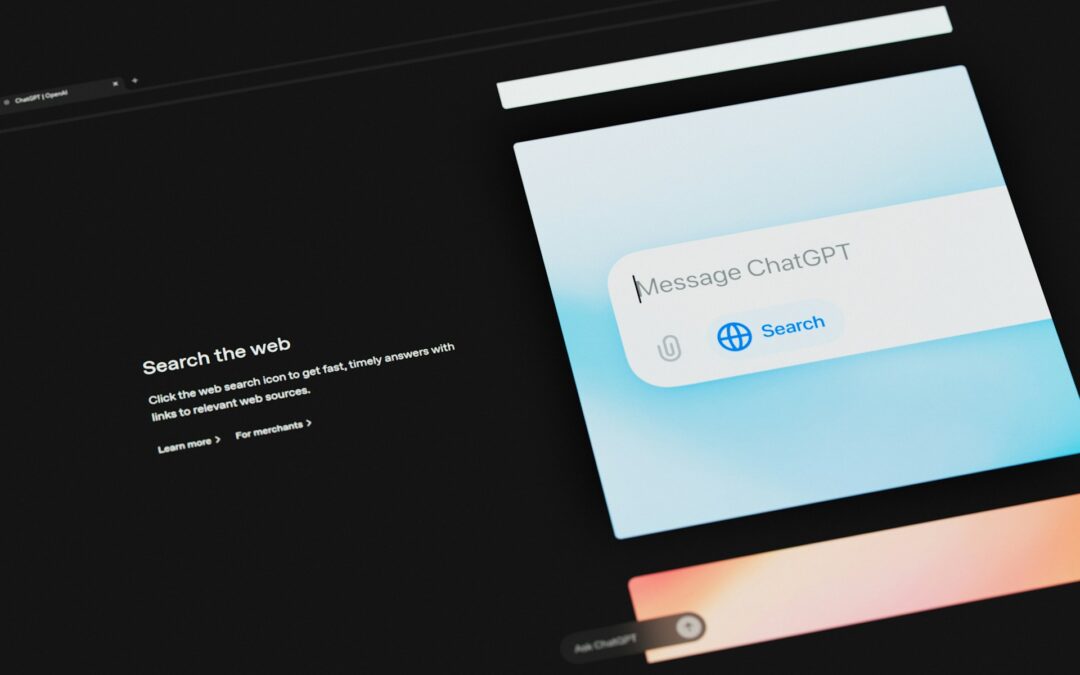
9. 25% of buyers engaged AI tools in the shopping process. The AI adoption rate represents a fundamental shift in how consumers research and evaluate vehicles. AI-powered tools provide personalized recommendations, virtual assistance, and data-driven insights that enhance the buying experience.
10. 84% of mostly-digital buyers who engaged AI assistants were highly satisfied. The AI satisfaction correlation demonstrates that AI tools are delivering real value to consumers. The high satisfaction rate suggests that AI is effectively addressing consumer needs and improving the overall buying experience.
11. 83% of consumers believe AI will reshape car buying within 10 years. The long-term AI expectation indicates that AI adoption is just beginning. Dealerships that embrace AI capabilities now will be well-positioned for future market leadership.
12. 63% of dealers say investing in AI tools now is critical to long-term success. The dealer AI investment consensus reflects industry recognition of AI’s transformative potential. Forward-thinking dealerships are making strategic investments in AI capabilities to stay competitive.
The Role of Financing and Interest Rates in 2025 Vehicle Purchases
13. 49% of informed buyers paid exactly what they expected. The pricing transparency benefit demonstrates that informed consumers achieve better financial outcomes. Dealerships that provide clear, upfront pricing information build trust and reduce purchase anxiety.
14. 15% of informed buyers managed to pay less than expected. The negotiation advantage of informed buyers highlights the importance of pricing transparency and competitive positioning. Dealerships that embrace transparent pricing models can attract more qualified buyers and reduce negotiation friction.
Consumer Behavior in 2025: Shifting Priorities for Car Buyers
15. 92% of consumers use digital channels to research vehicles before purchase. The digital research dominance has fundamentally changed the automotive retail landscape. Dealerships without comprehensive digital presence essentially don’t exist for modern consumers.
16. Buyers spend an average of 14 hours 19 minutes online during their buying journey. The extensive research time indicates that consumers are making highly informed decisions. This thorough research process requires dealerships to maintain consistent, accurate information across all digital touchpoints.
17. 75% of vehicle buyers use third-party websites for research. The third-party site usage highlights the importance of maintaining consistent inventory and pricing information across all platforms. Inconsistencies between dealership websites and third-party sites can erode consumer trust.
18. 44% of Americans cite social media as most influential for vehicle discovery. The social media influence has grown significantly, making social platforms essential for vehicle discovery and consideration. Dealerships must have active, engaging social media presences to capture consumer attention.
19. 64% of recent purchasers cite social media as most influential. The post-purchase social validation indicates that social media’s influence extends beyond initial discovery to final purchase decisions. Social proof and peer recommendations play crucial roles in the buying process.
20. 26% of buyers use social media platforms for research. The social research adoption reflects the growing role of social platforms in the research process. Social media provides authentic, peer-driven content that consumers trust.
The Impact of Inventory Levels and Supply Chains on 2025 Vehicle Availability
21. 71% of buyers only knew they were “unsure” what vehicle they would buy when starting. The initial uncertainty highlights the importance of effective vehicle discovery and recommendation tools. Dealerships that can help consumers narrow their choices provide valuable assistance in the early research phase.
22. 53% completed all steps at the dealership in person. The in-person completion preference indicates that despite extensive digital research, the physical dealership experience remains crucial. The hybrid approach requires seamless integration between digital and physical touchpoints.
Digital Transformation in Auto Sales: What to Expect by 2025
23. 63% of buyers say an omnichannel approach combining online and in-person is ideal. The omnichannel preference defines the modern automotive retail standard. Consumers want the convenience of digital research and transaction capabilities combined with the confidence of in-person validation and relationship building.
24. Only 7% of buyers report purchasing entirely online. The limited pure online adoption indicates that the physical dealership experience remains essential for most consumers. The data suggests that successful digital strategies enhance rather than replace the in-person experience.
25. 71% of buyers expect omnichannel experiences for future purchases. The future omnichannel expectation demonstrates that omnichannel retailing is not a temporary trend but the new standard. Dealerships that fail to provide seamless digital-to-physical experiences will lose market share.
26. 29% of consumers are interested in an entirely online car buying experience. The online purchase interest represents a significant minority that dealerships should accommodate. While not the majority preference, online-only buyers represent an important and growing segment.
27. 34% of Gen Z willing to fully order next vehicle online without dealership touchpoints. The generational online preference indicates that pure online purchasing will likely grow as younger consumers become the dominant market segment. Forward-thinking dealerships should develop online-only capabilities to serve this emerging demographic.
28. 80% prefer to complete more steps from home (up from 69%). The at-home preference growth indicates accelerating consumer comfort with digital transactions. Dealerships that can facilitate more of the buying process remotely will have competitive advantages.
The Growing Importance of Multicultural Marketing in Automotive by 2025
29. 44% of buyers travel only up to 5 miles to visit dealerships. The local dealership preference highlights the importance of hyper-local marketing strategies that can effectively reach diverse communities within specific geographic areas. Local relevance is crucial for multicultural marketing success.
30. “Near me” searches for car dealerships have increased by 200%. The local search growth creates opportunities for dealerships to capture diverse local audiences through targeted local SEO and paid search strategies. Geographic targeting is essential for effective multicultural marketing.
31. 76% of mobile searches result in business visits within 24 hours. The mobile local conversion rate demonstrates the high intent of local searchers and the importance of mobile-optimized local presence. Multicultural marketing must be mobile-first to capture this high-intent audience.
Leveraging Data and AI for Smarter Vehicle Purchase Decisions in 2025
32. 87% of informed buyers report being satisfied or very satisfied with their purchase. The informed buyer advantage demonstrates that access to comprehensive information leads to better purchase decisions and higher satisfaction. Data transparency benefits both consumers and dealerships.
33. 82% of informed buyers felt fully prepared with information needed to make a purchase decision. The information confidence indicates that comprehensive research leads to purchase readiness and reduced decision anxiety. Dealerships that provide thorough, transparent information facilitate better buying experiences.
34. 76% of EV buyers use digital tools compared to 42% of ICE buyers. The EV digital adoption gap reflects the more tech-savvy nature of EV buyers and the complexity of EV purchasing decisions. EV marketing requires sophisticated digital strategies and comprehensive educational content.
Mobile Shopping Behavior and Local Search Impact
35. Over 70% use smartphones as their main research device. The smartphone dominance has made mobile optimization essential for automotive marketing success. Dealerships without mobile-optimized websites and content are missing the majority of potential customers.
36. 61% of traffic comes from mobile devices historically and 71% in 2024. The mobile traffic majority confirms that mobile has become the primary platform for automotive research. Desktop optimization alone is no longer sufficient for competitive digital presence.
37. 59% of buyers use dealership websites during research. The dealer website usage highlights the importance of maintaining comprehensive, mobile-optimized dealership websites. Direct dealer websites remain crucial touchpoints in the research process.
38. 81% of consumers use Google for reviews (most dominant platform). The Google review dominance makes Google review management essential for reputation management and consumer trust building. Positive Google reviews directly influence purchase decisions.
Lead Response and Conversion Optimization
39. 50% of leads choose the business that responds first. The first response advantage creates a clear competitive imperative for rapid lead response. Speed of response directly correlates with lead conversion probability.
40. 86% of satisfied buyers repurchase from and recommend the same dealer. The satisfaction loyalty correlation demonstrates that delivering excellent customer experiences creates powerful retention and referral benefits. Satisfied customers become valuable marketing assets.
FAQs on Vehicle Purchase Decision Statistics 2025
Q: How will global trade policies and potential tariffs affect new car prices in 2025?
A: With 81% of new-vehicle shoppers expecting tariffs to push prices higher and 24% already deciding to buy sooner due to tariff concerns, dealerships must prepare for continued price volatility and accelerated buying cycles. Transparent communication about pricing and availability will be essential for maintaining consumer trust. Economic uncertainty has created urgency among car shoppers, compressing traditional buying timelines and creating demand spikes that require agile inventory and pricing strategies.
Q: What are the key predictions for the used car market in 2025 regarding supply, demand, and pricing?
A: The used car market continues to see increased cross-shopping behavior, with 66% of buyers considering both new and used vehicles (up from 57% previously). Economic pressures have intensified, with 62% of buyers feeling that car ownership is too costly, driving demand for affordable, quality pre-owned vehicles. Additionally, 29% of new-vehicle shoppers are weighing leasing versus buying at an all-time high, reflecting consumers’ desire for lower monthly payments and reduced long-term commitment.
Q: How are advancements in EV technology and autonomous driving shaping vehicle purchase decisions in 2025?
A: EV buyers are significantly more digitally engaged, with 76% using digital tools compared to 42% of ICE buyers. This indicates that EV marketing requires more sophisticated digital strategies and comprehensive educational content to address the complexity of EV purchasing decisions. The tech-savvy nature of EV buyers means dealerships must invest in advanced digital capabilities and provide detailed information about charging infrastructure, range, incentives, and total cost of ownership.
Q: What role will interest rates and auto loan accessibility play in consumer vehicle purchases this year?
A: Financing considerations have become increasingly important, with 29% of new-vehicle shoppers weighing leasing versus buying (an all-time high). Dealerships must be prepared to present multiple ownership scenarios and address affordability concerns directly through transparent pricing and flexible financing options. With 62% of buyers feeling that car ownership is too costly, transparent pricing and competitive financing terms have become critical differentiators in the marketplace.
Q: How is digital transformation changing the way consumers research and buy vehicles in 2025?
A: While 63% of buyers prefer an omnichannel approach combining online and in-person experiences, only 7% purchase entirely online. This indicates that successful digital strategies enhance rather than replace the physical dealership experience, requiring seamless integration between digital and physical touchpoints. Additionally, 80% of buyers prefer to complete more steps from home (up from 69%), showing that dealerships must facilitate remote engagement while maintaining strong in-person capabilities.