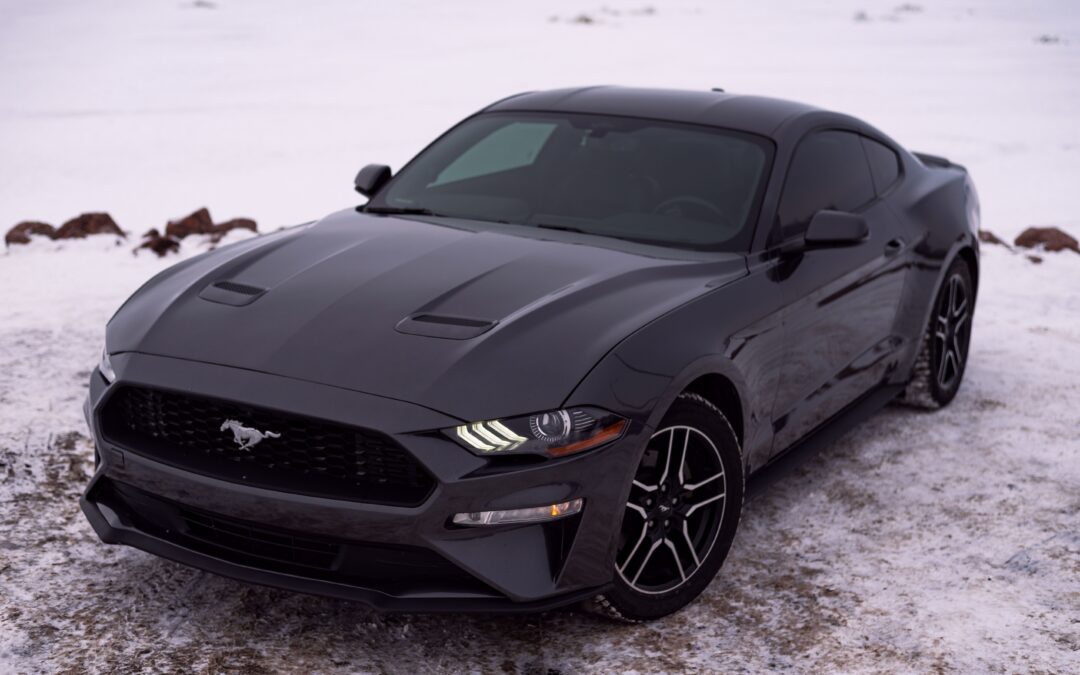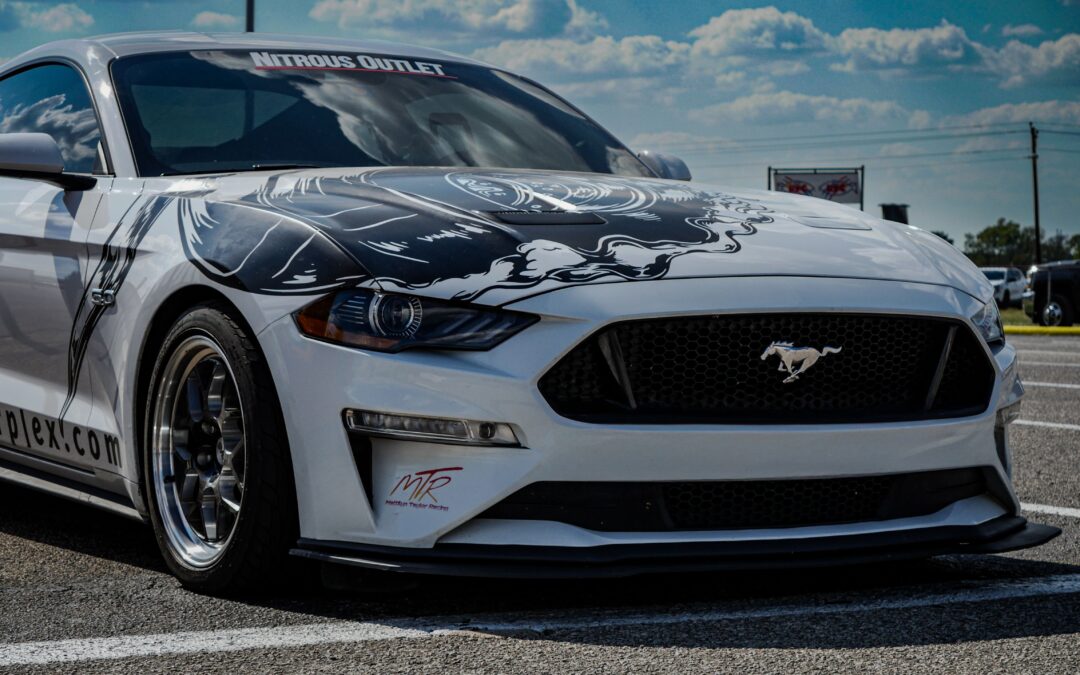

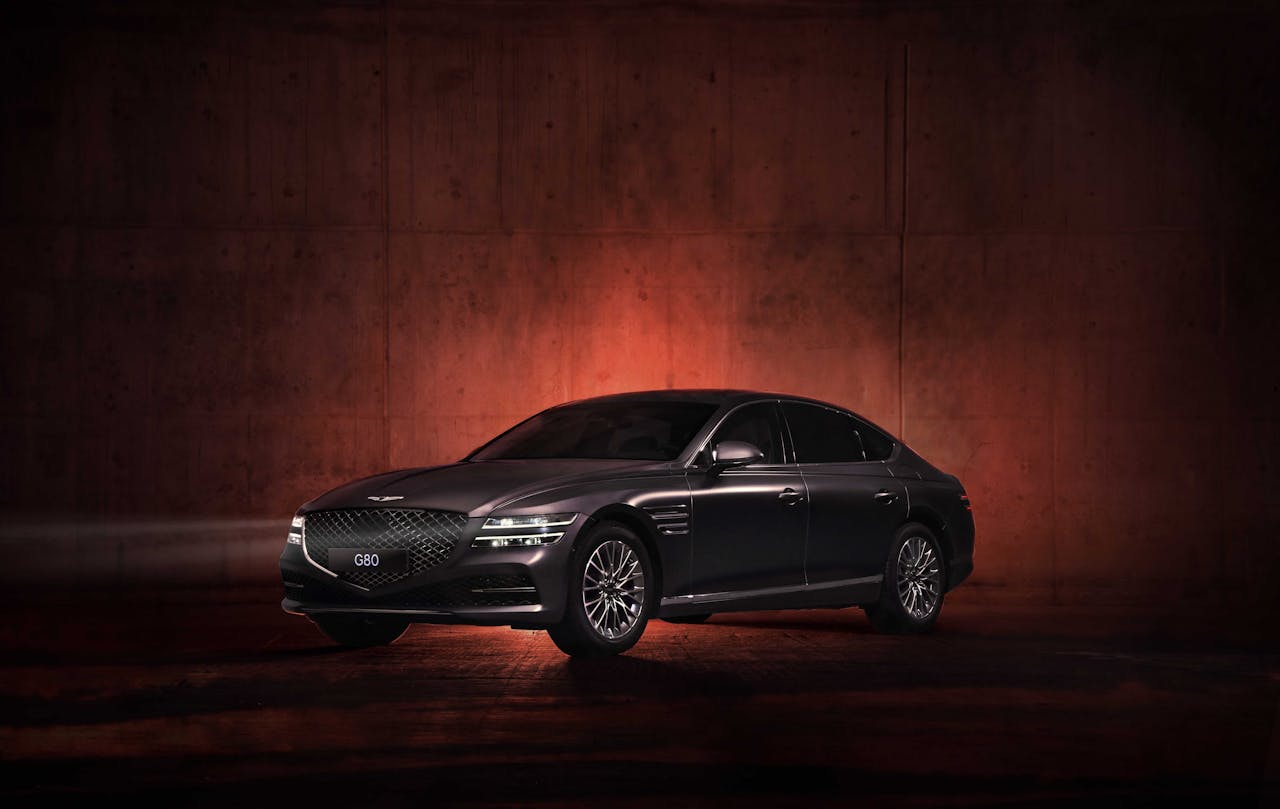
Comprehensive data compiled from extensive research on automotive video marketing effectiveness, ROI metrics, and emerging advertising technologies
Key Takeaways
- Video dominates the car-buying journey – With 92% of auto shoppers researching vehicles online and 75% influenced by video content, dealerships ignoring video advertising are missing critical opportunities
- ROI exceeds traditional advertising significantly – Video advertising delivers 1.81x higher purchase likelihood, while Connected TV campaigns show 98% completion rates versus traditional TV’s declining effectiveness
- Social video platforms unlock new audiences – TikTok’s 125 million auto enthusiasts and 74% action rate from automotive ads demonstrate untapped potential beyond traditional channels
- Personalization drives unprecedented results – AI-powered video campaigns achieve 30% higher conversion rates with 40% lower cost per acquisition for dealers embracing advanced targeting
- Mobile-first video is non-negotiable – With 33% of research time on mobile devices and 95% message retention from video versus 10% from text, mobile video advertising is essential
- Connected TV transforms dealership advertising – OTT advertising now receives 20% budget increases annually as dealers see 22.4% growth in CTV ad effectiveness
- Test drive videos revolutionize the customer journey – Watch time for test drive videos increased 65% with 64% of viewers willing to purchase without physical test drives
- Investment momentum validates the channel – Digital advertising commands 72.2% of dealership budgets, with video platforms showing the highest growth trajectory
Video Impact on Purchase Decisions
- 75% of auto shoppers say online video influenced their shopping habits or purchases. This overwhelming majority demonstrates video’s critical role in the modern car-buying journey, according to comprehensive automotive marketing statistics. Dealerships leveraging video advertising reach consumers during their most influential research phase, when they’re actively forming opinions about brands and models. The impact is even stronger with video viewers being 1.81x more likely to purchase, according to research by Wyzowl and industry analysis. This multiplier effect makes video advertising one of the most efficient investments for driving actual sales conversions.
- 40% of car shoppers discover new vehicles they weren’t previously considering through video marketing. Video marketing’s power to influence purchase decisions extends beyond reinforcing existing preferences to actually expanding consideration sets. This discovery aspect is particularly valuable for dealerships looking to conquer competitive brands or introduce new models to the market. The visual and emotional engagement of video content creates opportunities to showcase vehicles in ways that static images or text simply cannot match. Smart dealerships use this to highlight unique features and create emotional connections that drive showroom visits.
- 92% of auto shoppers research vehicles online before visiting dealerships. The digital-first reality of modern car shopping makes online presence crucial, with post-COVID buyers especially preferring digital platforms for research. This behavior shift fundamentally changes how dealerships must approach marketing, with video content serving as the virtual showroom experience consumers expect. Buyers arrive at dealerships more prepared and knowledgeable than ever, armed with information on models, features, and pricing. Video advertising allows dealers to control this narrative and ensure their inventory gets proper consideration during the research phase.
- 60% of auto shoppers visit a dealership after watching a video of the vehicle. Over 60% of auto shoppers reported visiting a dealership or dealer website after watching a video of a vehicle they were considering, according to Google’s auto shopper journey statistics. This direct correlation between video viewing and physical visits proves video’s effectiveness at moving buyers down the funnel from consideration to action. The visual demonstration of features, combined with emotional storytelling, creates urgency and desire that motivates actual dealership visits. Forward-thinking dealers are using video retargeting to nurture these engaged viewers through to conversion.
- Video viewers retain 95% of messages versus 10% for text readers. Consumers retain 95% of a message when delivered through video compared to just 10% when reading text. This dramatic difference in message retention makes video advertising exponentially more effective for communicating complex vehicle features, pricing offers, and dealership differentiators. The combination of visual, auditory, and emotional elements in video creates multiple memory pathways that text alone cannot achieve. Dealerships investing in video ensure their marketing messages stick with potential buyers throughout their extended purchase journey.
Platform-Specific Performance
- 92% of auto shoppers use YouTube for vehicle research. YouTube is a go-to source for all things cars – from model reviews and comparisons to how-tos and guides. This near-universal adoption makes YouTube advertising essential for dealership visibility during the research phase. The platform’s ability to serve targeted ads based on viewing history and search intent ensures dealerships reach in-market shoppers at the perfect moment. With features like TrueView ads and bumper ads, dealers can optimize for either engagement or broad reach depending on campaign goals.
- TikTok boasts 125 million U.S. auto enthusiasts with 74% taking action after seeing ads. On TikTok, there are over 125 million U.S. auto enthusiasts alone, with 74% of users having taken action after seeing an automotive advertisement or content. This massive, engaged audience represents a largely untapped opportunity for dealerships still focused solely on traditional platforms. The platform shows substantial return on investment for dealerships that can harness its advertising and organic content features. Early adopters are seeing lower costs per acquisition and higher engagement rates compared to saturated platforms.
- Instagram video posts generate 2x higher engagement than image posts. Instagram video posts see over 2x higher engagement rates than image posts. This engagement multiplier makes video content essential for dealerships building brand presence on Instagram. The platform’s various video formats – Reels, Stories, IGTV – offer multiple touchpoints to showcase inventory and dealership culture. Facebook (37%) and Instagram (21%) follow YouTube closely as platforms where buyers conduct research, according to automotive marketing trend analysis, making cross-platform video strategies crucial.
- 64% of shoppers say 360-degree videos would convince them to buy without test drives. 64% of shoppers who watch online videos to inform their purchase say new formats like 360-degree video would convince them to buy a car without a test drive. This revolutionary shift in buyer confidence demonstrates how immersive video experiences can replicate and even exceed physical interactions with vehicles. These formats are particularly effective as 75% of auto shoppers say online video influenced their shopping habits. Dealerships investing in 360-degree and VR content are positioning themselves for the future of digital-first car sales.
- Test drive video watch time on YouTube grew 65% in two years. Watch time of “test drive” videos on YouTube has grown more than 65% in the past two years, according to Google’s auto marketing data and Reynolds’ industry analysis. This explosive growth indicates buyers are moving deeper into the purchase process online before ever contacting a dealership. Car buyers are increasingly using these videos to pre-qualify vehicles, reducing the number of physical test drives needed. Smart dealerships are creating their own test drive content to capture this demand and control the narrative around their inventory.
TikTok Automotive Revolution
- TikTok Automotive Ads achieve 40% lower cost per acquisition. TikTok said brands in the test group saw cost per acquisition drop by 40%, click-through rates jump up 78%, and engagement rates rise by 40%. These dramatic improvements over traditional social platforms make TikTok a game-changer for cost-conscious dealerships seeking better ROI. The platform’s advanced targeting capabilities and lower competition create ideal conditions for efficient customer acquisition.
- One-third of TikTok users are in-market for vehicles. With almost 1 in 3 TikTok users in-market for a new vehicle, Automotive Ads are the perfect way for the industry to reach users with the right content at the right time, according to TikTok for Business. This exceptional in-market density exceeds most traditional advertising channels, providing dealerships with highly qualified audiences. The platform’s algorithm excels at identifying and targeting these high-intent users based on their content consumption patterns. Dealerships report seeing immediate impact on website traffic and lead quality from TikTok campaigns.
- 67% of TikTok car buyers discover new brands on the platform. More than three-quarters of car buyers on TikTok used the platform for research, with 67% ending up finding a new auto brand or product. This discovery rate surpasses traditional platforms and demonstrates TikTok’s unique ability to influence consideration sets. The platform’s entertaining, authentic content style allows dealerships to showcase personality and build emotional connections impossible through traditional advertising. Early-adopting dealerships are establishing dominant positions before the platform becomes saturated.
- TikTok delivers 78% higher click-through rates than other platforms. The platform’s test groups showed click-through rates jumping up 78% compared to baseline performance. This exceptional engagement rate reflects TikTok’s ability to serve highly relevant ads to engaged audiences in a native, non-disruptive format. Baerresen reported lower advertising costs on TikTok and notably higher impressions and video engagement, creating an attractive proposition for ROI-focused dealerships. The combination of lower costs and higher engagement delivers compound benefits to advertising effectiveness.
- Nearly 50% of Gen Z uses TikTok as a search engine. According to Google’s data, nearly half of Gen Z users are more likely to search on TikTok or Instagram than on Google. This fundamental shift in search behavior requires dealerships to optimize their TikTok presence for discovery, not just advertising. One-third of TikTok car shoppers say they’ve used TikTok in the discovery stage of their purchase journey. Creating searchable, educational content alongside ads ensures dealerships capture both passive browsers and active researchers.
Connected TV & OTT Performance
- 98% completion rate for Connected TV advertisements. CTV ads have been seen to have a 98% completion rate and 51.5% attention rate on average. This near-perfect completion rate dwarfs traditional TV and digital video platforms, ensuring dealership messages are fully consumed by viewers. The non-skippable nature of most CTV ads, combined with the lean-back viewing experience, creates ideal conditions for message delivery. With subscription service growth slowing, viewership of ad-supported streaming has been rising at a faster pace.
- CTV advertising spending reaches $28.79 billion with 22.4% annual growth. In 2024, Connected TV advertising spending in the U.S. reached $28.79 billion. This massive market demonstrates CTV’s mainstream adoption and effectiveness for advertisers across industries. CTV ad expenditures are projected to surge to $46.89 billion by 2029, with spend expected to grow 22.4% from 2023, as detailed in 2024 Connected TV trends. Dealerships investing now are positioning themselves advantageously before costs rise with increased competition.
- 61% of car shoppers say CTV ads influenced purchase decisions. 61% of car shoppers say CTV ads influenced their purchase decisions. This influence rate exceeds most traditional advertising channels and reflects CTV’s ability to deliver impactful, targeted messages to engaged audiences. Streaming services are being used in majority of U.S. homes, providing access to a large and very engaged audience. The combination of TV-quality creative with digital targeting precision creates unprecedented advertising effectiveness.
- Dealerships plan 20% OTT budget increases for better ROI tracking. Automotive dealers plan to increase their OTT ad budgets by 20% this year while carefully monitoring the return on every dollar spent. This significant investment increase reflects proven ROI and superior measurement capabilities versus traditional TV. By 2023, auto dealers will spend more on OTT than they will spend on paid search, as reported in a CTV dealership analysis, marking a fundamental shift in advertising priorities. The ability to track conversions, showroom visits, and actual sales makes OTT accountability far superior to traditional channels.
- 70% of dealerships report streaming TV as the highest ROI media. During a summer 2022 survey, 77% of respondents stated they got the highest return-on-investment from streaming audio ads, with streaming TV and online video both mentioned by 70% of respondents. This ROI leadership reflects streaming’s unique combination of broad reach, precise targeting, and measurable results. Dealerships are shifting budgets from traditional TV to streaming platforms where every impression can be tracked and optimized. The ability to retarget viewers and adjust campaigns in real-time maximizes advertising efficiency.
Mobile Video Engagement
- 33% of automotive research time happens on mobile devices. The average automotive shopper spends 33% of their research time on a mobile device. This substantial mobile usage requires dealerships to optimize video content for vertical viewing and shorter attention spans. This uptick in mobile usage drives millions of calls to US dealerships through digital ads and click-to-call buttons. Mobile-optimized video ads with clear calls-to-action capitalize on this immediate response behavior.
- 59% of Gen Z use short-form video to discover longer content. 59% of Gen Zers agree that they use short-form video apps to discover things that they will then watch longer versions of. This content journey from short to long form creates multiple touchpoints for dealership messaging and relationship building. Smart dealers use short-form teasers on TikTok and Instagram to drive viewers to longer YouTube reviews and virtual tours. The multi-platform strategy maximizes reach while accommodating different viewing preferences and attention spans.
- 80% of Twitter users watch videos on their timeline. 80% of Twitter users watch videos on their timeline, enabling auto dealers to reach consumers in their buying journey. This high video consumption rate makes Twitter an underutilized channel for dealership video advertising. The platform’s real-time nature and conversational format create opportunities for timely promotional content and customer engagement. Twitter’s lower competition for automotive advertisers often results in better cost-per-engagement metrics.
- Vertical video generates 90% higher completion rates. Vertical video formats designed for mobile viewing achieve dramatically higher completion rates than traditional horizontal videos on mobile devices. This format preference reflects natural mobile holding positions and full-screen viewing experiences. Baerresen recommended using vertical format for TikTok and similar platforms. Dealerships creating vertical-first content see improved performance across all mobile-centric platforms.
ROI and Performance Metrics
- Search ads achieve a 12.96% conversion rate, the highest across industries. Search advertising achieves the highest conversion rate at 12.96% for automotive, leading all industries in Google Ads performance. This exceptional conversion rate validates the high intent of automotive search traffic and the effectiveness of targeted messaging. Automotive repair and service ads specifically outperform every other category, with click-through rates of 8.77% versus the 2.41% cross-industry average. Video ads complementing search campaigns amplify these already strong metrics through visual engagement.
- Marketing automation doubles ROI for dealerships using it. Dealers using marketing automation are twice as likely to see a higher return on investment for their marketing efforts compared to those who don’t. This ROI multiplication effect comes from improved lead nurturing, personalized communications, and reduced manual effort. Automated email triggers based on video viewing behavior ensure timely follow-up with engaged prospects. The combination of video engagement data and automation creates powerful retargeting opportunities.
- AI-powered campaigns achieve 30% higher conversion rates. AI-driven customer acquisition tactics increase conversion rates by as much as 30%. This significant improvement comes from AI’s ability to optimize targeting, creative, and bidding in real-time based on performance data. Companies leveraging AI in marketing see 20-30% higher ROI on campaigns compared to those relying on traditional methods. Dealerships using AI-powered video advertising platforms are seeing transformative results in cost efficiency and scale.
- Digital advertising delivers 3-5x higher conversion than traditional. Leading dealerships allocating 72.2% to digital channels see 3-5x higher conversion rates than traditional-focused competitors. This dramatic performance gap continues to drive budget shifts from traditional to digital channels. Video advertising represents the fastest-growing segment within digital spending, reflecting its superior engagement metrics. $7.2 billion of automotive advertising will be spent on digital alone, with just $2.3 billion on traditional media.
- Remarketing to cart abandoners generates $9.87 per recipient. Remarketing to cart abandoners generates $9.87 per recipient, significant given automotive’s 85.97% abandonment rate. This high return makes retargeting essential for capturing lost opportunities from initial website visits. VIN-specific remarketing campaigns achieve 214% higher click-through rates, demonstrating the power of personalized video content in re-engagement. Dynamic video ads showing specific vehicles viewed multiply remarketing effectiveness.
Investment and Budget Allocation
- Digital commands 72.2% of dealership advertising budgets. Digital channels now command 72.2% of dealership advertising budgets with an average annual spend of $528,923 per dealership. This dominant allocation reflects digital’s proven ROI and measurability advantages over traditional channels. Within digital spending, video content represents the fastest-growing category as dealers recognize its engagement superiority. The average advertising expenses per car dealership in the United States amounted to nearly 529 thousand dollars in 2023.
- 30% of executives plan marketing budget increases exceeding 10%. 30% of executives plan marketing budget increases exceeding 10% in 2025, with 87% directing funds to digital channels. This aggressive investment stance reflects confidence in digital advertising’s ability to drive measurable results. Traditional media will see continued budget reductions of 15-20% annually. Video platforms are capturing the largest share of these incremental digital investments.
- U.S. automotive digital ad spending reaches $24.47 billion. Total U.S. automotive digital ad spending is projected to reach $24.47 billion in 2025, representing approximately 6.1% of total digital advertising spend nationally. This massive investment continues growing at 8-10% annually, outpacing general advertising growth rates. The automotive sector has become the fourth-largest digital advertising category. Video advertising claims an increasing share of this spending as effectiveness metrics improve.
Customer Journey Impact
- Buyers spend 14 hours researching online before purchase. Car buyers spend an average of nearly 14 hours online during their search, researching and purchasing vehicles. This extended research period creates numerous touchpoints for video advertising to influence decisions. Out of all websites that buyers visit, the most visited are third-party (79%), dealerships (59%), used vehicle retailers (34%) and automakers (33%). Strategic video placement across these platforms ensures consistent brand presence throughout the journey.
- 900+ digital touchpoints occur during car car-buying journey. Buyers engage 900+ digital touchpoints across 14 hours of research, requiring seamless omnichannel experiences. This complexity demands sophisticated attribution modeling to understand video’s role in driving conversions. Dealerships using unified video strategies across channels see higher engagement and conversion rates. The ability to track video interactions across touchpoints provides unprecedented insight into buyer behavior.
- 4.9 websites are visited on average during the purchase journey. Car buyers visited more websites, an average of 4.9, in 2022 as compared to 4 in 2021. This increasing research breadth requires dealerships to maintain video presence across multiple platforms and websites. Automotive consumers visit an average of 4.2 websites in their purchasing process, often using multiple devices. Consistent video messaging across platforms reinforces brand recognition and trust.
- 76% of new and used vehicle shoppers start with search. 76% of new and used vehicle shoppers run a search before buying, according to LSA data cited in Invoca’s marketing statistics. This search-first behavior makes video-enhanced search listings crucial for capturing initial interest. Automotive consumers overwhelmingly turn to search engines to find dealerships and get answers to their questions. Video thumbnails in search results achieve higher click-through rates than text-only listings.
The Bottom Line
These statistics paint a clear picture: video advertising has become indispensable for competitive dealerships in 2025. Whether leveraging TikTok’s 40% lower acquisition costs, Connected TV’s 98% completion rates, or YouTube’s dominance in vehicle research, the data overwhelmingly support video investment.
The convergence of multiple trends—mobile-first browsing, AI-powered personalization, streaming TV adoption, and social commerce—creates an unprecedented opportunity for dealerships ready to embrace video advertising. With digital commanding 72.2% of advertising budgets and video showing the highest ROI among digital channels, the question isn’t whether to invest in video, but how quickly you can scale your efforts.
Forward-thinking dealerships are already seeing transformative results: doubled ROI through automation, 30% higher conversion rates with AI, and 214% better click-through rates with personalized video. As traditional advertising effectiveness continues declining and digital video consumption soars, dealerships that master video advertising will dominate their markets while others struggle to maintain relevance.
Sources Used
- Invoca – 38 Statistics Automotive Marketers Need to Know in 2025
- KORTX – 12 Automotive Marketing Trends to Watch in 2025
- Demand Local – 46 Car Dealership Advertising Trends Statistics
- Driftrock – The Ultimate List of Automotive Marketing Statistics
- SilverBack Advertising – Video Marketing for Auto Dealers
- TikTok for Business – Introducing Automotive Ads
- LeadsBridge – How to Use TikTok for Car Dealerships
- MNTN – Connected TV Statistics and Trends
- Think with Google – Auto Shopping Video Statistics
- Statista – U.S. Car Dealers Advertising Statistics
- NADA – Driving Success with TikTok
- Reynolds Fuel – 8 Video Marketing Stats for Dealerships
- PorchGroupMedia – Automotive Marketing Trends and Statistics
- Single Grain – How to Boost Marketing ROI Through AI
- Cox Automotive – Car Buyer Journey Study