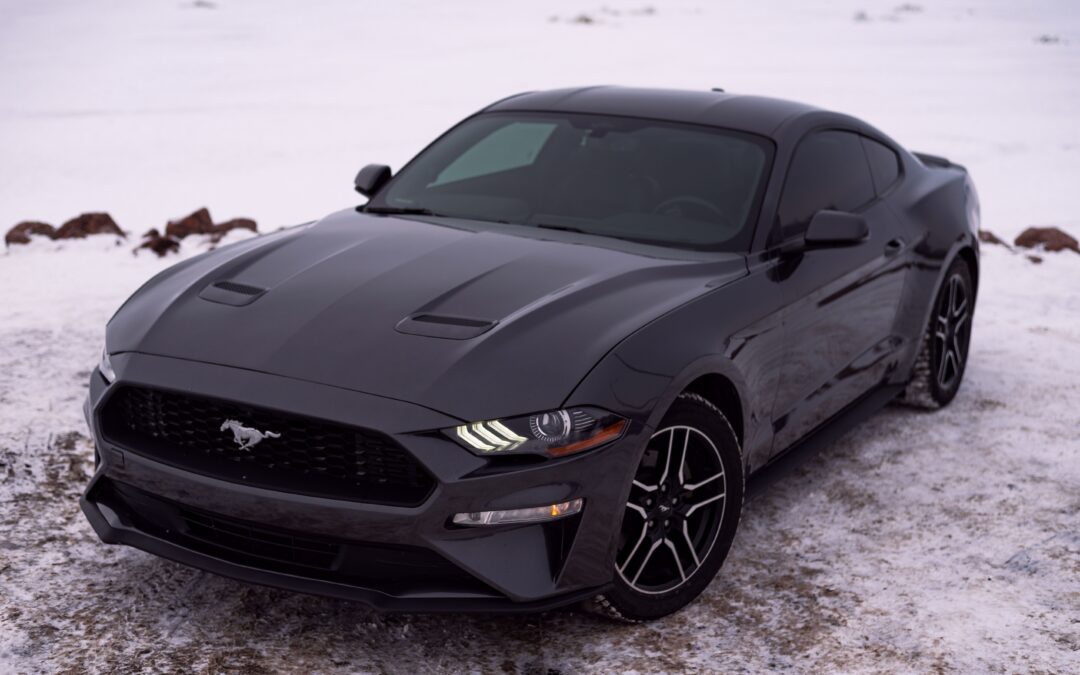

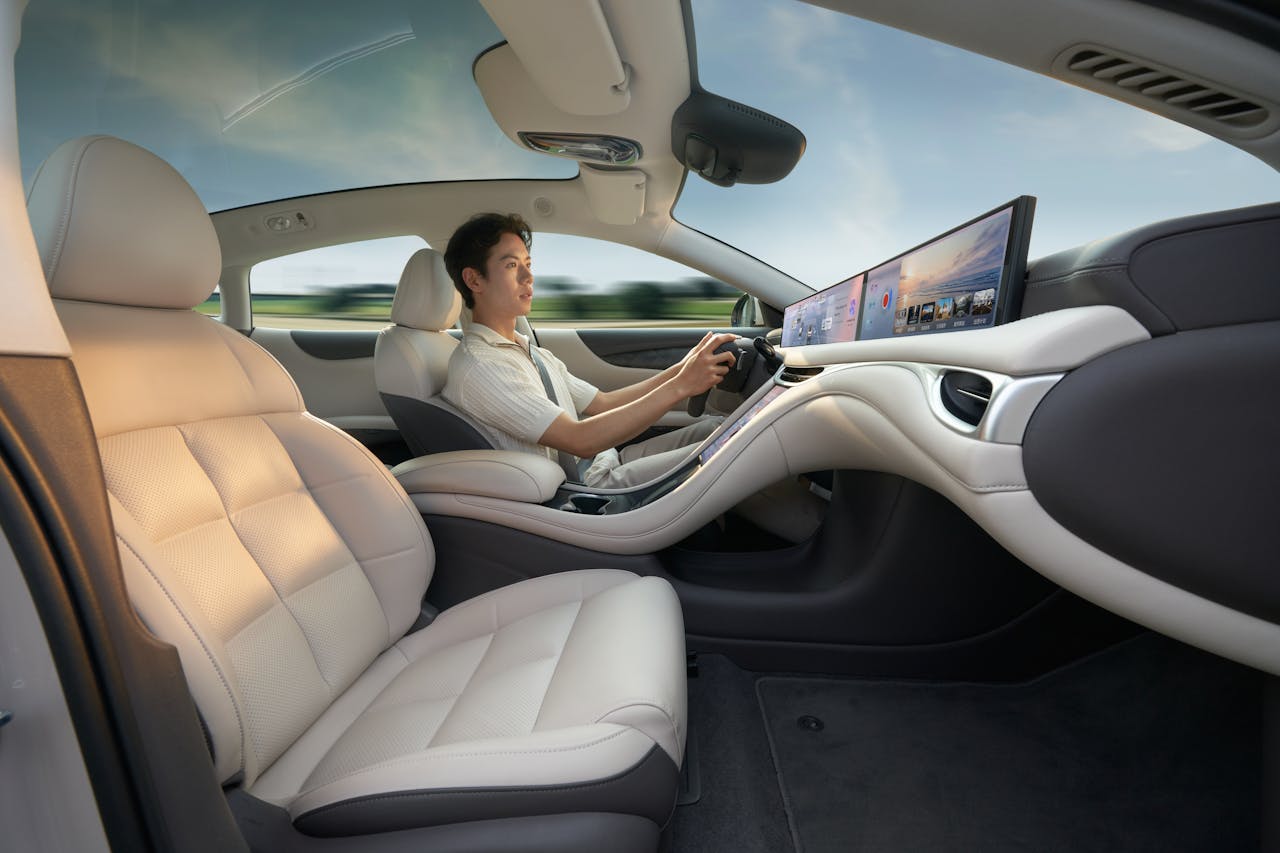
Comprehensive data compiled from extensive research across hybrid electric vehicle marketing channels, consumer behavior trends, and digital advertising performance metrics
Key Takeaways
- Hybrid market momentum is accelerating dramatically – Hybrid sales surged 36% in Q2 2025 with market share jumping from 3.1% to 16.3% since 2020, creating unprecedented opportunities for dealerships with effective digital marketing strategies
- Marketing automation delivers exceptional ROI – $5.44 return per dollar spent with 44% of companies achieving positive ROI within six months, making sophisticated digital marketing technology essential for competitive advantage
- Email and social channels outperform traditional advertising – Email marketing delivers $40 ROI per dollar while TikTok achieves lower cost per acquisition for automotive campaigns, validating the shift away from traditional TV advertising
- Geographic targeting drives hybrid adoption – Consumers near charging stations are 64% more likely to consider EVs, making location-based advertising critical for hybrid marketing success
- Data-driven attribution ties marketing spend to actual sales – With 41% of marketing professionals ranking email as their most effective channel, integrating first-party data with omnichannel activation ensures every dollar drives measurable results
Hybrid Electric Vehicle Market Growth & Trends
1. Global hybrid vehicle market valued at $271.80 billion in 2023 and projected to reach $504.18 billion by 2032. This explosive growth represents a compound annual growth rate that dwarfs traditional automotive segments, creating massive opportunities for dealerships with effective digital marketing strategies. The market expansion validates investment in hybrid-focused marketing campaigns and inventory advertising.
2. Hybrid sales increased by 36% in Q2 2025 in the United States. This dramatic acceleration demonstrates growing consumer acceptance and demand for hybrid technology. Dealerships must adapt their marketing strategies to capture this rapidly expanding market segment before competitors establish dominant positions.
3. Hybrid vehicle share jumped from 3.1% to 16.3% between Q2 2020 and Q2 2025. This five-fold increase in market penetration represents one of the fastest automotive segment adoptions in recent history. The momentum creates urgency for dealerships to develop specialized hybrid marketing expertise and inventory management strategies.
4. 22% of all vehicles sold in the United States in Q4 2024 were electrified (BEV, PHEV, or Hybrid). The growing mainstream acceptance of electrified vehicles requires dealerships to develop comprehensive marketing strategies that address the unique needs and concerns of hybrid buyers. This market reality demands specialized digital advertising approaches that traditional automotive marketing cannot provide.
5. Goldman Sachs Research projects HEV sales to 12% of the global market in 2030 (up from 10%) and 9% in 2040 (from 5%). The upward revision of hybrid adoption forecasts reflects growing consumer preference for hybrid technology over pure electric vehicles. This trend validates investment in hybrid-specific marketing strategies and inventory management systems.
6. PHEV market share projected at 14% in 2030 and 17% in 2040, up from previous forecast of 9% in 2040. The significant increase in plug-in hybrid projections indicates growing consumer interest in vehicles that combine electric driving with gasoline range assurance. Marketing strategies must address the unique benefits and use cases of PHEVs versus traditional hybrids.
7. U.S. hybrid and electric vehicle manufacturing industry revenue climbed at 32.6% CAGR to $119.2 billion in 2025. This remarkable growth rate demonstrates the economic importance of the electrified vehicle segment and validates aggressive marketing investment. Dealerships that effectively market hybrid vehicles position themselves for sustained revenue growth in this expanding market.
8. Global hybrid electric vehicle market size at $119.08 billion in 2025, projected to hit $745.8 billion by 2035 at 20.14% CAGR. The consistent double-digit growth projections across multiple research firms confirm the long-term viability of hybrid vehicle marketing strategies. This sustained growth justifies investment in sophisticated digital marketing platforms and data-driven attribution systems.
Digital Marketing Channel Performance for Hybrid Vehicles
9. 76% of EV buyers use digital tools compared to 42% of traditional car buyers. This fundamental behavioral difference demands completely different marketing approaches, with digital channels becoming non-negotiable for hybrid vehicle success. Dealerships must prioritize comprehensive digital presence across all relevant platforms to capture this tech-savvy audience.
10. 72.2% of dealer advertising budgets now flow to digital channels, from total spending of $8.9 billion annually. The massive allocation to digital reflects proven ROI and measurable attribution advantages over traditional media. This budget shift creates opportunities for dealerships with sophisticated digital marketing capabilities to outperform competitors still reliant on traditional advertising.
11. EV TV advertising spend dropped 22% in 2024 compared to 2023. The dramatic reduction in traditional television advertising demonstrates the industry’s recognition that hybrid buyers require different marketing approaches. This shift validates investment in digital channels that provide better targeting, tracking, and conversion optimization capabilities.
12. Marketing automation delivers $5.44 ROI for every dollar spent over three years. This exceptional return validates investment in sophisticated marketing automation platforms that can manage the complex hybrid buyer journey. The consistent performance across multiple implementations demonstrates the reliability of automation for hybrid vehicle marketing.
13. 44% of companies achieve positive ROI within six months of marketing automation implementation. The rapid return on investment creates urgency for dealerships to implement automation solutions before competitors capture market share. Early adoption provides significant competitive advantages in lead nurturing and conversion optimization.
14. Email marketing delivers $40 ROI per dollar spent. This extraordinary return makes email marketing essential for hybrid vehicle campaigns, particularly for nurturing leads through the extended research process. The performance justifies investment in sophisticated email marketing platforms with advanced segmentation and personalization capabilities.
15. EV-specific email campaigns achieve 51% open rates and 30% click-through rates. These exceptional engagement metrics demonstrate the high interest level of hybrid vehicle prospects and the effectiveness of targeted email marketing. The performance validates investment in specialized email marketing strategies for electrified vehicles.
16. 41% of marketing professionals rank email as their most effective channel. The consistent recognition of email’s effectiveness across marketing professionals validates its central role in hybrid vehicle marketing strategies. This consensus supports comprehensive email marketing investment as part of integrated digital campaigns.
Social Media & Video Marketing Effectiveness
17. TikTok automotive campaigns achieve 78% higher click-through rates than industry benchmarks. The exceptional engagement metrics demonstrate TikTok’s effectiveness for automotive marketing and validate its inclusion in comprehensive hybrid vehicle campaigns. The platform’s algorithm enables viral reach impossible on traditional social media platforms.
18. 38% of car buyers reference social media campaigns and influencers before purchasing. The significant influence of social media on purchase decisions validates investment in comprehensive social media strategies for hybrid vehicles. Dealerships must develop authentic social media presence and influencer partnerships to capture this audience.
19. 46% of consumers consider car influencers trustworthy information sources. The high trust level in automotive influencers creates opportunities for authentic hybrid vehicle marketing through influencer partnerships. This trust translates to higher conversion rates and brand credibility compared to traditional advertising approaches.
20. 41% of car buyers use YouTube for research, making it the most popular social platform. The dominance of YouTube for automotive research validates investment in comprehensive video marketing strategies for hybrid vehicles. Video content provides the visual and experiential information that static content cannot deliver.
21. Automotive websites with video achieve 4.8% conversion rates versus 2.9% without. This 65% improvement in conversion rates demonstrates the critical importance of video content for hybrid vehicle marketing. The performance validates investment in professional video production and strategic video placement across digital properties.
22. 60% of auto shoppers visited a dealership or dealer website after watching vehicle videos. The direct impact on dealership traffic validates video marketing as a critical component of hybrid vehicle marketing strategies. Video content serves as both an awareness and consideration tool that drives qualified traffic to dealerships.
Search Engine Marketing & Consumer Behavior
23. Search engine marketing commands $105,256 average annual dealer spend. The significant investment in SEM reflects its importance for capturing high-intent hybrid vehicle shoppers actively researching online. This substantial allocation validates the need for sophisticated search marketing strategies and optimization expertise.
24. 95% of car shoppers rely on online resources for information gathering. The near-universal adoption of digital research makes comprehensive online presence essential for hybrid vehicle marketing success. Dealerships without optimized digital properties essentially don’t exist for modern hybrid vehicle buyers.
25. 82% of new EV buyers report high satisfaction versus 75% for ICE buyers. The higher satisfaction rates among EV buyers validates the quality and performance of electrified vehicles and supports positive marketing messaging. This satisfaction differential creates opportunities for referral marketing and customer advocacy programs.
26. 90% of EV owners actively use manufacturer mobile apps, with 67% engaging at least half the time they drive. The high app engagement rates demonstrate the importance of connected vehicle technology and create opportunities for ongoing customer communication and service marketing. Dealerships should leverage this engagement for service retention and loyalty programs.
27. More than 85% of car buyers want to take a test drive before purchasing an EV. The critical importance of test drives validates investment in comprehensive test drive marketing and scheduling systems. Dealerships must make test drive scheduling seamless and highlight the unique driving experience of hybrid vehicles.
28. 49% of respondents were interested in including charging experience as part of a test drive. The significant interest in charging experience during test drives validates investment in charging infrastructure and educational materials. Dealerships should incorporate charging demonstrations into their test drive processes to address this key consumer concern.
Geographic & Location-Based Marketing Insights
29. Location-based advertising market reaches $107.71 billion in 2024, projected to reach $356.67 billion by 2033. The massive and growing location-based advertising market validates investment in geographic targeting strategies for hybrid vehicles. The market expansion reflects proven effectiveness and growing adoption across industries.
30. California leads EV adoption with 23.7% market share, followed by Washington D.C. at 20.6%, Washington at 19.7%, and Colorado at 19.2%. The regional variation in EV adoption requires customized marketing strategies that address local market conditions and consumer preferences. Dealerships in high-adoption states should develop specialized expertise and inventory strategies.
31. 64% of Americans live within 2 miles of public charging stations. The widespread availability of charging infrastructure addresses a key consumer concern and validates marketing messaging about charging convenience. Dealerships should incorporate local charging information into their marketing materials and customer education.
32. Consumers near charging stations are 50% more likely to consider EVs (50% vs 27% for those without nearby access). This dramatic difference validates location-based advertising targeting areas near charging infrastructure and validates investment in charging partnerships. Geographic targeting becomes essential for efficient hybrid vehicle marketing.
33. EV transition sentiment in urban areas stands at 51%, which is more than 2.5 times higher than in rural areas (18%). The significant urban-rural divide requires customized marketing strategies that address different consumer concerns and infrastructure availability. Dealerships must develop location-specific messaging and value propositions.
Consumer Purchase Considerations & Pricing
34. Average price for a new hybrid vehicle in 2025 is $33,255. The competitive pricing compared to pure electric vehicles ($55,689 average) validates hybrid vehicles as an accessible entry point to electrified transportation. Marketing strategies should emphasize the value proposition and lower total cost of ownership.
35. Used hybrid listings increased by 11% year-over-year in 2025. The growing used hybrid market creates opportunities for certified pre-owned programs and inventory marketing strategies. Dealerships should develop specialized used hybrid marketing campaigns to capture this expanding segment.
36. 47% of EV shoppers want to pay less than $40,000, but only four models are available at that price point in 2024. The significant price sensitivity validates hybrid vehicles as the solution for budget-conscious electrified vehicle buyers. Marketing strategies should emphasize the affordability advantage of hybrids over pure electric vehicles.
37. 35% of respondents state they would not purchase an EV unless it was less expensive than a comparable ICE vehicle. The significant price sensitivity creates opportunities for hybrid vehicle marketing that emphasizes value and affordability. Dealerships should develop pricing-focused marketing campaigns that address this key consumer concern.
38. 55% of respondents are likely to purchase an EV if subsidies make prices comparable to ICE vehicles; 63% if subsidies reduce EV prices below ICE. The significant impact of subsidies validates marketing messaging that incorporates available incentives and tax credits. Dealerships should develop comprehensive incentive education programs as part of their marketing strategies.
Brand Loyalty & Market Share Dynamics
39. Hybrid fuel type loyalty improved from mid-30% range to over 46% between 2022-2024. The growing loyalty to hybrid technology validates investment in hybrid-focused marketing strategies and customer retention programs. The improving loyalty rates suggest hybrid owners are satisfied with their purchase decisions.
40. Nearly half of all new hybrid registrations in the US are for vehicles made by Toyota Motor Corp. Toyota’s dominant position in the hybrid market validates their marketing and product strategies and creates opportunities for other manufacturers to develop competitive hybrid offerings. Dealerships should leverage Toyota’s market leadership to drive hybrid adoption.
41. Hybrid vehicles comprise 49.3% of Toyota’s new retail registrations, leading all mainstream brands. Toyota’s exceptional hybrid penetration demonstrates the effectiveness of their product and marketing strategies. Honda follows at 30.1%, showing the competitive landscape is developing but still dominated by Toyota.
42. Share of EV owners who returned to market and bought a hybrid vehicle doubled from 6% to 12% in three years. The growing trend of EV owners switching to hybrids validates hybrid vehicles as the preferred solution for consumers who want electrified driving without range anxiety. This migration trend creates opportunities for conquest marketing campaigns.
Omnichannel Marketing Strategies for Hybrid Vehicles
43. Automotive inventory marketing ensures accurate promotion of hybrid inventory with real-time VIN-level updates. With used hybrid listings increasing 11% year-over-year, dynamic inventory advertising prevents wasted ad spend on unavailable vehicles and ensures accurate pricing and imagery. This precision is critical for maintaining consumer trust during the extensive research process.
Data-Driven Attribution & Performance Measurement
44. Marketing automation delivers $5.44 ROI for every dollar spent over three years, with proper attribution systems. The exceptional return validates investment in sophisticated marketing automation platforms that can track the complete customer journey from initial contact to vehicle delivery. Accurate attribution is essential for measuring this performance.
45. Automotive email campaigns achieve 12.6% open rates with remarkably low 0.8% bounce rates. These strong performance metrics demonstrate the effectiveness of email marketing for hybrid vehicle campaigns when properly measured and optimized. Comprehensive attribution systems enable continuous improvement of email marketing performance.
46. 54% of consumers feel comfortable with diagnostic data collection from connected vehicles. The growing consumer acceptance of data sharing creates opportunities for personalized marketing and service campaigns based on actual vehicle usage patterns. This data enables hyper-targeted marketing that addresses specific customer needs and preferences.
Future Marketing Trends & Opportunities
47. Margins for North American automakers may increase by 2 to 3 percentage points as hybrid sales rise, adding $15-22 billion to earnings. The improving profitability of hybrid vehicles validates aggressive marketing investment and creates opportunities for dealerships to capture growing market share in this expanding segment.
48. Full-Hybrid segment holds 34.7% market share in 2025. The dominance of full-hybrid technology validates marketing strategies that emphasize the superior fuel efficiency and performance benefits of this hybrid type. Dealerships should develop specialized expertise in full-hybrid marketing and sales.
49. 45% of Chinese respondents state their next car will be a BEV, compared to 23% in Europe and 12% in the United States. The significant regional differences in EV adoption require customized marketing strategies that address local market conditions and consumer preferences. Global manufacturers must develop region-specific marketing approaches.
50. Asia Pacific dominated with 51.2% of global hybrid vehicle market share in 2023. The regional dominance creates opportunities for global marketing strategies that leverage successful Asian market approaches in other regions. The proven effectiveness of hybrid marketing in Asia Pacific validates investment in similar strategies globally.
FAQs on Hybrid Electric Marketing Effectiveness
Q: What’s the most effective digital marketing channel for hybrid vehicles?
A: Email marketing delivers the highest ROI at $40-44 per dollar spent, while marketing automation provides $5.44 ROI over three years. However, a comprehensive omnichannel approach combining search, social, email, and video is essential since 95% of car shoppers rely on online resources and spend 14 hours researching across multiple platforms. The most effective strategy integrates all channels to create consistent touchpoints throughout the buyer journey.
Q: How important is geographic targeting for hybrid vehicle marketing?
A: Geographic targeting is critical for hybrid vehicle marketing success. Consumers near charging stations are 50% more likely to consider EVs compared to 27% without access, and geofencing delivers 30-140% higher conversion rates for dealerships. Regional adoption varies dramatically, with California leading at 23.7% market share compared to the national average. Location-based advertising enables efficient budget allocation by targeting high-potential geographic areas with proven hybrid adoption rates.
Q: Should dealerships focus on new or used hybrid vehicle marketing?
A: Dealerships should develop comprehensive strategies addressing both segments, as each presents significant growth opportunities. New hybrid sales increased 36% in Q2 2025, while used hybrid listings grew 11% year-over-year, demonstrating robust demand across the market. The average new hybrid price of $33,255 makes it accessible to budget-conscious buyers, while the expanding used market creates opportunities for certified pre-owned programs. Effective inventory marketing strategies should cover both new and pre-owned hybrids to maximize market capture.
Q: How does hybrid vehicle marketing differ from traditional automotive marketing?
A: Hybrid vehicle marketing requires fundamentally different approaches, as 76% of EV/hybrid buyers use digital tools compared to just 42% of traditional buyers. Hybrid buyers spend 14 hours researching online versus 6+ hours for traditional buyers and visit 4.2 websites, demanding consistent messaging across all digital touchpoints. Traditional TV advertising is declining (down 22% in 2024) while digital channels command 72.2% of dealer budgets, reflecting the shift to comprehensive digital presence across search, social, email, and video platforms.
Q: What role does video marketing play in hybrid vehicle sales?
A: Video marketing is essential for hybrid vehicle sales, with 41% of car buyers using YouTube for research and automotive websites with video achieving 4.8% conversion rates versus 2.9% without video. Video marketing generates a 2.8x increase in purchase intent, and 60% of auto shoppers visit dealerships after watching vehicle videos. Comprehensive video strategies across YouTube, social platforms, and dealership websites are non-negotiable for capturing the tech-savvy hybrid buyer who demands visual, experiential content during their extensive research process.
Q: How can dealerships measure true ROI from hybrid vehicle marketing campaigns?
A: Traditional click-based metrics are insufficient for measuring true hybrid vehicle marketing ROI. Advanced attribution systems that track VDP views, leads, and sales match-back provide accurate ROI measurement that justifies marketing investment. With proper attribution, marketing automation delivers $5.44 ROI per dollar, and 44% of companies achieve positive ROI within six months. Dealerships need comprehensive attribution platforms that tie ad spend directly to vehicle sales outcomes, enabling data-driven optimization and budget allocation decisions across all marketing channels.